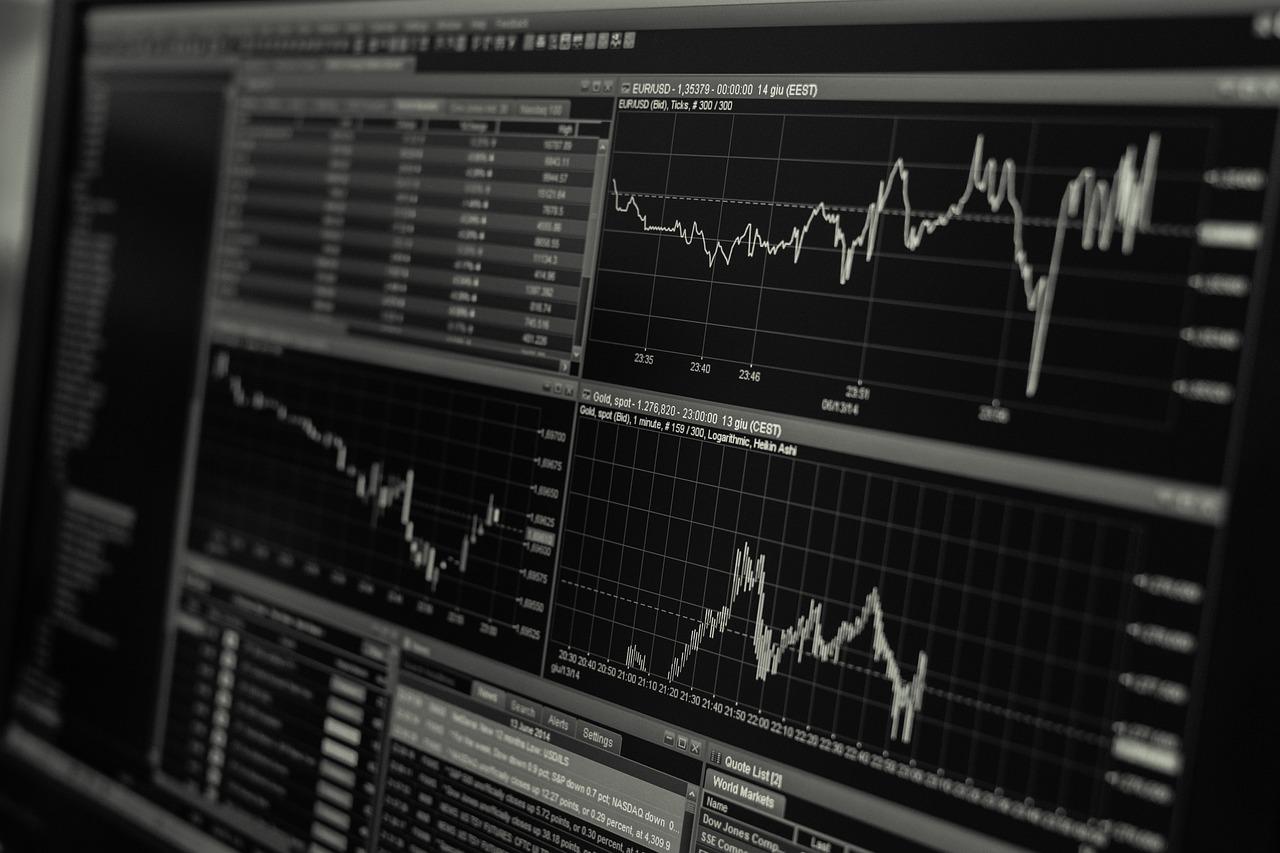
A Beginner Friendly Journal System For Forex Trading
Unlock your trading potential with a beginner-friendly journal system for Forex! Track your trades, analyze your strategies, and learn from your experiences. Start journaling today to transform your trading journey into a path of growth and success!
Unlock Your Trading Potential: A Beginner-Friendly Journal System for Forex Trading
In the fast-paced world of Forex trading, where every decision can lead to significant gains or losses, having a structured approach is not just beneficial—it’s essential. For beginners stepping into this thrilling arena, the learning curve can feel daunting. But what if there was a simple, effective way to navigate the complexities of the currency markets? Enter the power of a well-crafted trading journal.
Imagine being able to track your trades, reflect on your strategies, and identify patterns that lead to success—all while building confidence in your decision-making process. A beginner-friendly journal system doesn’t just record numbers; it transforms your trading journey into a powerful learning experience. This article will guide you through the essential components of an effective trading journal, empowering you to take control of your Forex journey with clarity and purpose. Whether you’re looking to refine your strategy or simply want to understand your trading behavior better, this system will be your ally, turning your aspirations into achievements. Let’s dive into the world of Forex trading with confidence and intention!
Understanding the Importance of Journaling in Forex Trading
Journaling in forex trading is more than just a method for recording your trades; it is a transformative practice that can elevate your trading game. By maintaining a detailed journal, you cultivate self-awareness and discipline, two key components of successful trading. A structured approach not only helps in tracking performance but also in understanding the emotional landscape that comes with trading decisions.
Benefits of Keeping a Trading Journal:
Performance Analysis: Identify winning and losing strategies to refine your approach.
Emotional Insights: Examine how emotions influence your trading decisions and learn to manage them effectively.
Goal Setting: Set realistic targets and assess your progress towards achieving them.
Accountability: Take responsibility for your actions, fostering a sense of ownership over your trading outcomes.
To create an effective journaling system, start by establishing a few essential components. Here is a simplified structure you can follow:
Component
Description
Trade Date
The date you executed the trade.
Currency Pair
The specific pairs you traded.
Entry/Exit Points
Document where you entered and exited the trade.
Trade Size
Indicate the volume of the trade.
Outcome
Record the profit or loss from the trade.
Emotional State
Note your feelings during the trade, such as fear, excitement, or confidence.
Lessons Learned
Reflect on what you could improve for future trades.
As you consistently fill out your trading journal, patterns will emerge that can provide invaluable insights. You may discover that certain setups yield better results under specific market conditions or that emotional triggers often lead to impulsive decisions. This awareness will allow you to adapt and refine your strategies, ultimately leading to enhanced profitability.
Remember, journaling is not a one-time task but a continuous process. As market conditions evolve, so too should your journal. You might consider incorporating a section dedicated to market analysis or your personal reflections on broader economic events influencing the forex landscape. This holistic approach ensures that you remain agile and informed.
Incorporating journaling into your forex trading routine is a commitment to personal growth and professional development. The act of writing down your trades, thoughts, and feelings can be the difference between a reactive trader and a proactive strategist. Embrace the journey, and let your journal guide you towards becoming the successful trader you aspire to be.
Setting Clear Goals for Your Forex Trading Journey
Setting clear goals is a crucial step in your forex trading journey. Goals provide direction, motivation, and a roadmap for success. As a beginner, you should focus on establishing both short-term and long-term objectives that will guide you through the complexities of the forex market.
Start by identifying your long-term vision. Where do you see yourself in 5, 10, or even 20 years as a trader? This vision could involve achieving a specific level of financial freedom, mastering trading strategies, or even becoming a professional trader. Here are some aspects to consider when forming your long-term goals:
Financial Independence: Aim for a specific monthly income from trading.
Skill Development: Commit to mastering particular trading strategies or tools.
Market Engagement: Decide on the markets you want to specialize in, such as currency pairs or commodities.
Next, break your long-term goals into short-term milestones. These milestones are important as they keep you accountable and allow you to measure progress more frequently. Consider setting goals that are SMART: Specific, Measurable, Achievable, Relevant, and Time-bound. Some examples include:
Trade a Minimum of 10 Times a Month: Helps build experience and confidence.
Achieve a 5% Monthly Return on Investment: Realistic yet challenging.
Complete an Online Trading Course Every Quarter: Ensures continuous learning.
Documenting your goals in a trading journal can make your objectives feel more tangible. Create a dedicated section in your journal for goal setting, where you can track your progress. Use a simple table format to visualize your ambitions:
Goal Type
Objective
Deadline
Progress
Long-term
Achieve financial independence
5 years
In Progress
Short-term
Trade 10 times per month
Monthly
Ongoing
Short-term
Complete a trading course
Quarterly
Next Course Scheduled
remember to regularly review and adjust your goals as needed. The forex market is dynamic, and your objectives should evolve with your experience and market conditions. Celebrate your achievements, no matter how small, as these successes will reinforce your commitment to your trading journey. By setting clear goals, you’re not just aiming for profits; you’re building a sustainable and fulfilling trading career.
Choosing the Right Journal Format for Your Needs
When embarking on your forex trading journey, selecting a journal format tailored to your needs is crucial for tracking your progress and refining your strategies. A well-designed journal can serve as both a record of your trades and a source of insight, helping you become a more disciplined trader. Here are some essential factors to consider:
Purpose of the Journal: Determine whether your primary goal is to track trades, analyze performance, or reflect on your emotions during trading. Each purpose may require a different format.
Ease of Use: Choose a format that you will find simple to fill out consistently. Whether it’s a digital platform or a traditional paper journal, ensure you can easily document your trades with minimal effort.
Data Points to Track: Decide which metrics are most important for your analysis. Commonly tracked data points include entry and exit points, position size, profit/loss, and emotional state.
Visual Representation: Consider incorporating charts or graphs into your journal. Visuals can provide immediate insight into your trading patterns and performance trends.
Here’s a simple table to help you choose the right features for your journal:
Furthermore, your journal can become a powerful tool for self-reflection. Consider adding sections for daily or weekly reviews where you can jot down thoughts on what worked, what didn’t, and how you felt during your trades. This practice will not only enhance your trading skills but also foster emotional intelligence, which is pivotal in the high-stakes world of forex.
Ultimately, the right journal format is one that you will consistently use. Experiment with different styles until you find one that resonates with you. Remember, the key to success in forex trading lies not just in making profitable trades, but also in learning from every experience, and a journal will serve as your guide along the way.
Essential Elements to Include in Your Forex Trading Journal
Creating a comprehensive Forex trading journal is fundamental for beginners aiming to enhance their trading skills and strategies. Here are some essential elements that should be included in your journal to ensure that it serves as an effective learning tool:
Trade Details: Documenting each trade is crucial. Include the following information:
The exact date and time of your trade entry and exit.
Trade Type
Specify if it was a buy or sell position.
Entry/Exit Price
Record the prices at which you entered and exited the trade.
Trade Rationale: Reflect on why you entered the trade. What were your reasons? Was it based on technical analysis, fundamental factors, or market sentiment? This self-reflection will help you recognize patterns in your decision-making process.
Emotional State: Your psychological condition can significantly impact your trading decisions. Note your emotions before, during, and after the trade. Were you anxious, overconfident, or indifferent? Understanding your emotional responses can lead to better trading discipline.
Performance Metrics: Regularly analyze your trading performance. Include metrics such as:
Metric
Description
Win Rate
Percentage of winning trades to total trades.
Risk-Reward Ratio
Average potential gain versus potential loss for your trades.
Average Trade Duration
How long do you typically hold your trades?
Lessons Learned: After each trade, take a moment to reflect on what you learned. Did you follow your trading plan? What could you have done differently? Documenting these insights will aid you in avoiding past mistakes and embracing new strategies.
By incorporating these elements into your Forex trading journal, you not only track your progress but also cultivate a disciplined trading approach. Over time, this practice will help you identify your strengths and weaknesses, leading to more informed and confident trading decisions.
Tracking Your Trades: How to Record Essential Data
To develop a successful trading strategy, it is crucial to maintain a comprehensive record of your trades. This not only helps in analyzing your performance but also aids in identifying patterns that can inform your future trading decisions. Start by creating a simple yet effective journal that captures essential data points.
Trade Date: Document the date you entered the trade. This allows you to correlate outcomes with market conditions on specific days.
Currency Pair: Note which currency pair you are trading. Understanding the dynamics of each pair will enhance your trading analysis.
Entry Price: Record the price at which you opened your trade. This is fundamental for calculating your profit or loss.
Exit Price: Similarly, track the price at which you closed the trade, as it will help you assess your overall performance.
Trade Size: Include the size of your trade in lots. This helps in understanding the risk and reward associated with each trade.
Stop Loss and Take Profit Levels: Document these crucial points as they can significantly impact your trading strategy.
Rationale for Trade: Explain why you took the trade. Was it based on technical analysis, fundamental analysis, or market sentiment?
Emotional State: Reflect on your emotional state while trading. This self-awareness can help you manage psychological factors in the future.
To make your journal even more insightful, consider using a table format for easy reference and organization. Here’s a simple table layout to inspire you:
Trade Date
Currency Pair
Entry Price
Exit Price
Profit/Loss
2023-11-01
EUR/USD
1.1200
1.1250
+50 Pips
2023-11-02
GBP/USD
1.3100
1.3050
-50 Pips
2023-11-03
USD/JPY
110.50
110.80
+30 Pips
Incorporating these elements into your trading journal not only facilitates better tracking but also fosters a deeper understanding of your trading behaviors. With this knowledge, you can refine your strategies, mitigate risks, and ultimately enhance your profitability. Tracking your trades is more than just a record; it is a powerful tool for transformation in your trading journey.
Analyzing Your Performance: Learning from Past Trades
Understanding your trading history is crucial for growth and improvement. Each trade carries valuable insights that can shape your future decisions. As you delve into your past trades, consider focusing on the following aspects:
Entry and Exit Points: Analyze the reasons behind your decisions. Were they based on logical analysis or impulsive actions?
Market Conditions: Reflect on the market environment during your trades. Were you trading in a trending market or a volatile one?
Risk Management: Assess how well you adhered to your risk management strategies. Did you stick to your stop-loss levels, or were you caught off guard?
Emotion Tracking: Keep a record of your emotional state during trades. Recognizing how emotions influenced your decisions can help you manage them better in the future.
Creating a structured journal can help you pinpoint patterns in your trading behavior. Use a table to track key metrics of each trade, making it easier to compare and analyze:
Trade Date
Currency Pair
Entry Price
Exit Price
Pips Gained/Lost
Notes
2023-10-01
EUR/USD
1.1000
1.1050
50
Good market trend
2023-10-05
USD/JPY
110.00
109.50
-50
Emotionally driven
As you compile this data, look for recurring themes. Do you tend to perform better in specific market conditions? Are there particular currency pairs that yield more favorable results? By identifying these trends, you can refine your strategy and increase your likelihood of success.
Moreover, consider setting aside time each week to review your journal entries. This practice not only reinforces learning but also keeps you accountable. By continuously reflecting on your trades, you create a feedback loop that fosters improvement and builds confidence in your trading abilities.
Ultimately, the goal is to transform every trade into a learning experience. Embrace both successes and failures; each one holds the potential to enhance your trading skill set and deepen your understanding of the Forex market.
Identifying Patterns and Trends in Your Trading Behavior
One of the most powerful tools in your trading arsenal is the ability to recognize and analyze your own trading behavior. By keeping a detailed journal, you can uncover valuable patterns and trends that might otherwise go unnoticed. This awareness not only enhances your understanding of the market but also helps you make more informed decisions in the future.
As you track your trades, focus on several key aspects:
Entry and Exit Points: Note down the reasons behind your entry and exit decisions. Were they based on technical analysis, fundamental news, or emotional reactions?
Time of Day: Identify if certain times yield better results for you. Are you more successful during specific market sessions?
Trade Duration: Record how long you typically hold your trades. Are shorter trades more profitable for you than longer ones?
By analyzing this data, you can create a clearer picture of your trading habits. Consider setting up a simple table in your journal to log critical metrics:
Trade Date
Currency Pair
Entry Price
Exit Price
Profit/Loss
2023-10-01
EUR/USD
1.1200
1.1250
+50 pips
2023-10-02
GBP/JPY
150.00
149.50
-50 pips
Additionally, consider categorizing your trades. This can help you identify which strategies work best for you. For example, you could create sections in your journal like:
Successful Trades: Highlight what went right and what you learned.
Unsuccessful Trades: Analyze mistakes and areas for improvement.
Emotional States: Document how your emotions influenced your trading—were you anxious, confident, or fearful?
don’t forget to reflect on your findings regularly. At the end of each month, review your entries and ask yourself critical questions. What consistent patterns emerge? How can you adapt your trading strategy to enhance your performance? This reflective practice is essential for growth and long-term success in Forex trading.
Incorporating Emotional Insights into Your Trading Journal
In the fast-paced world of forex trading, emotional insights can be the hidden gems that lead to success. By effectively capturing your emotional state during trades, you can uncover patterns that influence your decision-making and overall performance. Here are some key strategies to incorporate these insights into your trading journal:
Daily Emotional Check-Ins: At the start or end of each trading session, take a moment to jot down how you feel. Are you anxious, excited, or confident? Documenting these feelings can help you understand how your emotions affect your trading decisions.
Pre-Trade Emotional Assessment: Before entering a trade, ask yourself how you feel. If you’re feeling overly emotional—whether it’s overconfidence or fear—consider stepping back. Record these assessments in your journal.
Post-Trade Reflections: After each trade, take the time to analyze both the trade outcome and your emotional state. Did fear influence a decision? Did excitement lead to impulsiveness? Capturing these reflections is crucial for growth.
To gain deeper insights, consider using a simple table format in your journal:
Date
Trade Details
Emotional State
Outcome
Lessons Learned
2023-10-01
EUR/USD Long
Confident
Winner
Trust my analysis
2023-10-02
GBP/USD Short
Fearful
Loser
Avoid trading when anxious
By reviewing this table regularly, you can quickly identify trends in your emotional responses and their impact on your trading success. This practice can lead to more disciplined trading and ultimately greater profitability.
Furthermore, consider incorporating specific emotional triggers that you notice during your trading journey. For example, if you find that certain market conditions lead to heightened anxiety, note these down. Understanding your triggers allows you to develop strategies to manage them effectively, ensuring they don’t derail your trading goals.
Lastly, set aside time each week to review your journal entries. This reflection will not only reinforce your learning but also build emotional resilience. As a beginner, it’s vital to remember that every trader faces challenges, and acknowledging your emotions is a step towards mastering them.
Utilizing Your Journal for Continuous Improvement
Maintaining a journal can be a game-changer for your Forex trading journey. It serves not only as a record of your trades but as a powerful tool for introspection and growth. By documenting your thoughts, emotions, strategies, and the outcomes of your trades, you create a rich resource that you can refer back to. This practice will allow you to identify patterns in your trading behavior, making it easier to understand what works for you and what doesn’t.
Here are some practical ways to utilize your journal for continuous improvement:
Record Your Trades: After every trade, note the details: entry and exit points, trade size, and the rationale behind your decision. This will help you evaluate your overall performance.
Reflect on Emotions: Write down how you felt before, during, and after the trade. Were you anxious, confident, or uncertain? Understanding your emotional state can help you manage it better in future trades.
Analyze Mistakes: Be honest about your losses and mistakes. Document what went wrong and how you can improve next time. This honest reflection is essential for learning.
Set Goals: Use your journal to set short-term and long-term goals for your trading. Regularly revisit these goals to assess your progress and adjust your strategies as needed.
Track Your Progress: Create a summary table to visualize your trading performance over time. This will help you spot trends and areas needing improvement.
Date
Trade Pair
Profit/Loss
Emotion
Notes
01/01/2023
EUR/USD
+150
Confident
Successful strategy applied.
01/05/2023
GBP/JPY
-100
Anxious
Ignored my strategy.
01/10/2023
AUD/USD
+200
Focused
Stuck to the plan.
Incorporating these elements into your journal will not only enhance your understanding of your trading style but also guide you in creating a personalized approach that suits your needs. Over time, you will find that your journal becomes a trusted companion in your trading journey, reflecting your progress and supporting your evolution as a trader.
Remember, the journey of Forex trading is a marathon, not a sprint. By utilizing your journal effectively, you will develop the discipline required to analyze your efforts and continuously improve. This commitment to self-assessment will ultimately lead you to become a more skilled and confident trader.
Creating a Routine: Making Journaling a Habit
Creating a journaling routine for your forex trading can transform your trading experience from chaotic to organized. By committing to this practice, you not only document your trades but also cultivate a deeper understanding of your strategies and emotional responses. Here’s how you can make journaling a consistent part of your trading life.
Set a Dedicated Time
Consistency is key when forming a habit. Choose a specific time each day to journal about your trading activities. Whether it’s first thing in the morning or right before bed, having a set time helps establish this practice as a vital part of your routine.
Create a Comfortable Space
Your journaling environment should inspire creativity and focus. Consider the following:
Proper Lighting: Good lighting can elevate your mood and concentration.
Use Prompts to Guide Your Thoughts
Sometimes, staring at a blank page can be daunting. Incorporate prompts to guide your journaling. Consider asking yourself:
What did I learn from today’s trades?
How did my emotions influence my decisions?
What strategies worked well, and what didn’t?
Track Your Progress
To truly benefit from your journaling, establish a system to track your progress. Use a simple table to monitor key metrics:
Date
Trade Pair
Entry Price
Exit Price
Profit/Loss
2023-10-01
EUR/USD
1.1200
1.1250
+50 pips
2023-10-02
GBP/USD
1.3000
1.2950
-50 pips
Reflect and Adjust
After a few weeks of journaling, take time to review your entries. Identify patterns in your trades and your emotional responses. This reflection is crucial for personal growth and can lead to the necessary adjustments in your trading strategies.
Celebrate Small Wins
don’t forget to celebrate your progress! Each time you journal, acknowledge your commitment to improving your trading skills. This positive reinforcement will keep you motivated and eager to continue this beneficial habit.
Leveraging Technology: Digital Tools for Forex Journaling
In the fast-paced world of forex trading, keeping track of your trades, strategies, and insights is crucial for long-term success. Embracing technology can transform your journaling process from a mundane task into a streamlined, efficient practice that enhances your trading performance. Here are some powerful digital tools that can elevate your forex journaling experience.
Trading Journal Software: Consider investing in specialized trading journal software like Edgewonk or TradingDiary Pro. These platforms allow you to log trades efficiently while offering advanced analytics to help you identify patterns in your trading behavior.
Spreadsheet Applications: For those who prefer a customizable approach, tools like Microsoft Excel or Google Sheets enable you to create your own journaling templates. You can include various metrics such as entry and exit points, trade size, and emotional state, tailored to your specific needs.
Mobile Apps: With the rise of mobile technology, using apps like My Trade Journal or Forex Journal can keep your trading records at your fingertips. These apps often come with user-friendly interfaces that allow you to log trades on the go, ensuring you never miss a detail.
Incorporating visual elements into your journal can enhance understanding and retention. Using graphs and charts to visualize your trading performance can reveal trends that may not be immediately apparent through text alone. Many journaling tools come equipped with built-in analytics features that provide insights into your win rates, average trade duration, and risk-reward ratios.
don’t underestimate the power of community. Joining online forums or social media groups can provide motivation and accountability. Sharing your journal entries with fellow traders not only fosters constructive feedback but also helps you stay committed to your journaling practice, reinforcing your learning and growth.
Staying Motivated: Celebrating Your Progress and Milestones
In the journey of Forex trading, it’s easy to become overwhelmed by the complexities and challenges that come with it. However, recognizing and celebrating your progress can serve as a powerful motivator. Keeping a journal not only helps you track your trades but also allows you to reflect on how far you’ve come. Each small victory deserves acknowledgment, fueling your drive to continue improving.
As you navigate this exciting world, here are some key milestones to celebrate:
First Successful Trade: Remember the thrill of executing your first trade? Celebrate that moment! It signifies the beginning of your journey and the application of your knowledge.
Consistent Trading Plan: Developing a routine and sticking to a trading plan is a significant achievement. This discipline will pave the way for long-term success.
Monthly Goals Met: Did you achieve your trading goals for the month? Take a moment to recognize your determination and strategy that made it possible.
To effectively celebrate these milestones, you can incorporate a simple rewards system into your journal. For example, every time you reach a specific goal, treat yourself to a small reward. This could be anything from a favorite snack to a new book on trading strategies. By associating achievements with positive reinforcement, you’ll cultivate a more enjoyable trading experience.
Consider also maintaining a progress tracker within your journal. This visual representation can showcase your growth over time, making it easier to see your development at a glance. Below is a simple example of what this tracker might look like:
Month
Trades Made
Success Rate (%)
Milestones Achieved
January
10
40
First Trade
February
20
55
Developed Trading Plan
March
30
70
Monthly Goals Met
Each entry in your journal not only marks your progress but also serves as a source of inspiration when you face setbacks. Reflecting on these achievements can reignite your passion and commitment to Forex trading. Always remember, the journey is as significant as the destination. Embrace your progress, no matter how small, and let it motivate you to keep moving forward!
Embracing the Learning Process: Journaling as a Growth Tool
Journaling is more than just a way to document experiences; it is a transformative practice that can significantly enhance your journey in forex trading. By embracing this process, you create a powerful framework that not only tracks your trades but also fosters a deeper understanding of your strategies, emotions, and decisions. A robust journaling system can serve as your personal mentor, guiding you through the complexities of the forex market.
To get started, consider the following elements to include in your trading journal:
Date: Record the date of each trade to keep track of your trading timeline.
Currency Pair: Specify the currency pair you are trading, as different pairs behave differently based on market conditions.
Entry & Exit Points: Note down your entry and exit points, helping you analyze your timing and decision-making.
Trade Size: Document the size of your trade to understand your risk management strategies.
Market Conditions: Briefly describe the market conditions at the time of your trade, such as volatility or news events.
Emotional State: Reflect on your emotions before, during, and after the trade to identify psychological patterns that may affect your performance.
Outcome: Record whether the trade was profitable or a loss, along with the reasons behind the outcome.
Lessons Learned: Always end with a reflection on what you learned from each trade, allowing for continuous improvement.
By systematically capturing this information, you will start to see trends and patterns emerge, illuminating what works for you and what doesn’t. This reflective practice not only promotes accountability but also enhances your analytical skills, which are vital for a successful trader. You’ll begin to recognize the impact of your emotional state on your trading decisions, enabling you to manage your psychology more effectively.
For an even deeper insight, consider using a table format to summarize your trades. This provides a clear and concise overview of your trading history. Here’s a simple example of how to structure your table:
Date
Currency Pair
Entry Point
Exit Point
Profit/Loss
Lessons Learned
2023-10-01
EUR/USD
1.1200
1.1250
+50 pips
Patience paid off.
2023-10-02
USD/JPY
110.00
109.50
-50 pips
Need to stick to my plan.
Incorporating journaling into your forex trading routine can dramatically enhance your growth as a trader. Each entry becomes a stepping stone towards mastering your craft, empowering you to take calculated risks and make informed decisions. As you document your journey, remember that every trader faces challenges; the key is to learn from them and continually evolve. Your journal will not only serve as a record of your trades but also as a testament to your resilience and dedication to mastering the art of trading.
Transforming Your Mindset Through Reflective Writing
Reflective writing serves as a powerful tool for personal growth, particularly for those venturing into the complex world of Forex trading. By documenting experiences, thoughts, and feelings regarding trading activities, you can gain valuable insights that contribute to a transformative mindset. This practice not only enhances self-awareness but also fosters a deeper understanding of your trading behaviors and emotional responses.
In your journal, consider including the following sections to guide your reflections:
Daily Emotions: Record how you feel before, during, and after trading sessions. Recognizing emotional patterns can lead to better emotional regulation.
Trade Analysis: Write down the details of your trades, including the reasons behind each decision and the outcomes. This will help you identify successful strategies and areas for improvement.
Lessons Learned: After each trading day, highlight key takeaways. Reflect on what went well and what didn’t, encouraging a growth mindset.
To make the reflective writing process even more impactful, consider implementing a structured format. Here’s a simple table layout that can help you organize your thoughts effectively:
Date
Emotion
Trade Outcome
Lesson Learned
MM/DD/YYYY
Excited
Profit
Sticking to my strategy pays off.
MM/DD/YYYY
Anxious
Loss
Need to manage my emotions better.
MM/DD/YYYY
Confident
Break Even
Trusting my analysis is crucial.
Moreover, using this journal system can empower you to set specific goals for your trading journey. Consider integrating a goal-setting section where you outline both long-term aspirations and short-term objectives. This could include targets for the number of trades per week or desired profit percentages. Writing down these goals not only solidifies your commitment but also provides a reference point for you to reflect upon.
Over time, as you regularly engage in reflective writing, you will likely notice a shift in your mindset. Instead of viewing losses as failures, they will become opportunities for learning and growth. This shift enables you to approach Forex trading with resilience and adaptability, essential traits for any successful trader. Ultimately, the journey of self-discovery through reflective writing will not only enhance your trading skills but also enrich your overall life perspective.
Frequently Asked Questions (FAQ)
Q&A: A Beginner-Friendly Journal System for Forex Trading
Q1: Why is journaling important for Forex traders, especially beginners?
A: Journaling is a game-changer for Forex traders, particularly those just starting. It serves as a reflective tool that allows you to track your trades, analyze your decisions, and understand your emotional responses to market movements. By documenting your trades, you can identify patterns, learn from mistakes, and refine your strategies. This process not only enhances your trading skills but also builds your confidence, turning the chaos of Forex trading into a structured learning experience.
Q2: What should I include in my Forex trading journal?
A: Your Forex trading journal should be comprehensive yet simple. Start with essential details such as the currency pair, entry and exit points, trade size, and reason for the trade. Don’t forget to document the date, time, and market conditions at the time of the trade. Plus, include your emotions before, during, and after the trade. This holistic approach not only helps you analyze what works and what doesn’t but also builds your emotional intelligence as a trader.
Q3: How can I simplify the journaling process?
A: Simplifying the journaling process is key to maintaining consistency. Use a template that outlines the sections you need to fill out for each trade. Digital tools like spreadsheets or dedicated trading journal apps can streamline the process, allowing you to quickly input data and generate insights. Remember, the goal is to make it easy to record your trades without adding extra stress to your trading routine.
Q4: How often should I review my trading journal?
A: Regular review is crucial for growth. Aim to review your journal weekly or bi-weekly. During these sessions, analyze your trade outcomes, identify recurring mistakes, and celebrate your successes. This reflection not only reinforces learning but also helps you adapt your strategies based on your evolving understanding of the market. Over time, you’ll see patterns emerge, guiding you toward becoming a more successful trader.
Q5: What mindset should I adopt while journaling my trades?
A: Adopting a growth mindset is vital. Approach your journal as a supportive friend that helps you grow rather than a tool for criticism. Every trade, whether successful or not, offers valuable lessons. Embrace the learning process and view setbacks as stepping stones to mastery. This positive attitude will fuel your determination and resilience, both essential qualities for thriving in the Forex market.
Q6: Can a trading journal really make a difference in my trading success?
A: Absolutely! A well-maintained trading journal can transform your trading experience. It acts as a roadmap, guiding you through the complexities of the Forex market. By keeping track of your trades and emotions, you’ll develop a deeper understanding of your trading style and decision-making process. This clarity leads to better strategies, improved discipline, and ultimately, increased success in your trading journey.
Q7: Where can I find resources to help me start my Forex trading journal?
A: There are numerous resources available to kickstart your journaling journey. Online platforms offer free templates and tools designed specifically for Forex traders. Consider joining trading communities or forums where you can share your experiences and gain insights from fellow traders. Additionally, books and courses on trading psychology often include valuable information on the importance of journaling and how to effectively implement it into your daily routine.
Conclusion:
Embarking on your Forex trading journey can feel daunting, but with a beginner-friendly journal system, you’re not just tracking trades; you’re investing in your future as a successful trader. Embrace the power of journaling, and watch as it transforms your approach to trading, igniting your passion and fueling your growth. Remember, every expert was once a beginner—your trading journal is the first step toward becoming the trader you aspire to be!
Insights and Conclusions
embarking on your forex trading journey with a beginner-friendly journal system is not just a wise strategy; it’s a transformative step towards becoming a successful trader. By diligently tracking your trades, analyzing your decisions, and reflecting on your experiences, you empower yourself to learn and grow in this dynamic market. Remember, every great trader started as a novice, and the key to unlocking your potential lies in consistent practice and self-assessment.
So, why wait? Take the leap today and start journaling your trades. Embrace the challenges, celebrate your victories, and learn from your setbacks. With each entry, you’re not just recording your transactions; you’re building a foundation for success and cultivating the discipline that will set you apart in the crowded forex landscape. Your journey awaits—equip yourself with the knowledge, stay committed, and watch as your trading skills flourish. The world of forex trading is yours to conquer—one journal entry at a time!
In today’s rapidly evolving digital environment, remote desktop protocol (RDP) hosting services are more than just a luxury—they’re a necessity for businesses, freelancers, gamers, marketers, and developers seeking speed, security, and scalability. Among the most well-known providers in the industry, AmazingRDP has carved out a reputation for delivering performance-oriented RDP solutions that cater to a wide variety of users worldwide.
After thoroughly examining every aspect of Spinservers.com—from performance and pricing to customization and customer feedback—we confidently conclude that Spin Servers is absolutely worth it for the right kind of user.
This is not your average “beginner-friendly” hosting provider. Spin Servers is engineered for developers, sysadmins, SaaS startups, streaming platforms, and digital businesses that need unthrottled, high-performance infrastructure without bloated pricing or unnecessary hand-holding.
Are you on the hunt for the perfect web hosting solution that won’t break the bank? Look no further! Today, we’re diving into an in-depth review of Alexhost.com, a rising star in the world of web hosting. Whether you're a budding entrepreneur, a seasoned developer, or someone just looking to set up a personal blog, finding a reliable hosting provider is crucial. But with so many options out there, how do you know which one to choose? That’s where we come in! In this article, we'll explore the features, benefits, and potential drawbacks of Alexhost.com, helping you decide if it's the right fit for your online needs. So grab a cup of coffee, sit back, and let’s unravel what makes Alexhost.com a contender in the hosting arena!
Are you on the hunt for a reliable web hosting provider that won’t break the bank? If so, you’ve likely stumbled across Dedicated.com, a company that promises performance, flexibility, and customer support that’s second to none. But does it really deliver on these promises? In this article, we’ll dive deep into a comprehensive review of Dedicated.com, exploring its features, pricing, customer service, and much more. Whether you’re a seasoned web developer or just starting your online journey, we’ve got the inside scoop to help you decide if this hosting solution is the right fit for your needs. So, grab a cup of coffee, and let’s unravel the truth behind Dedicated.com!
If you’re on the hunt for reliable web hosting, you’ve probably come across Hostinger in your research. But is it really the best choice for you? With so many options available, it’s easy to feel overwhelmed. That's where we come in! In this review, we’ll dive deep into what Hostinger offers, from its pricing and performance to customer support and user experience. Whether you’re a blogger, a small business owner, or a budding entrepreneur, we aim to give you the insights you need to make an informed decision. So grab a coffee, settle in, and let’s explore whether Hostinger is the web host that can elevate your online presence!