
Unlock the potential of your website by mastering SEO web design! Elevate your search rankings and attract more visitors with a visually stunning and user-friendly site. Transform your online presence and watch your business soar—start today!
Master SEO Web Design to Boost Your Search Rankings
In today’s digital landscape, where competition is fiercer than ever, mastering SEO web design is not just an option—it’s a necessity. Imagine a world where your website not only captivates visitors with stunning visuals and seamless navigation but also climbs the ranks of search engine results, drawing in organic traffic like a magnet. This is not a distant dream; it’s a reality waiting to be unlocked. By integrating powerful SEO strategies into your web design, you can transform your online presence, elevate your brand, and ultimately drive growth. In this article, we will explore the vital intersection of SEO and web design, unveiling actionable insights that empower you to enhance your search rankings and connect with your audience in meaningful ways. Get ready to embark on a journey that will elevate your website from obscurity to prominence—let’s master the art of SEO web design together!
Understanding the Importance of SEO in Web Design
In today’s digital landscape, a well-crafted web design is not just about aesthetics; it’s also a critical factor in determining your website’s visibility. Search Engine Optimization (SEO) plays a pivotal role in enhancing user experience and driving organic traffic. By integrating SEO principles into your web design, you can ensure that your site is not only beautiful but also functional, accessible, and optimized for search engines.
When considering the synergy between SEO and web design, focus on the following key elements:
- Responsive Design: With the increasing use of mobile devices, a responsive design is crucial. Search engines prioritize mobile-friendly websites, which means that having a design that adapts to various screen sizes can significantly boost your rankings.
- Page Load Speed: A fast-loading website can lead to lower bounce rates and higher user satisfaction. Optimizing images, leveraging browser caching, and minimizing code can enhance your site’s speed, positively impacting SEO.
- Intuitive Navigation: Clear and logical navigation helps users find what they need quickly, improving dwell time and reducing bounce rates. This can lead to better rankings as search engines recognize the positive user experience.
- Content Hierarchy: Utilizing proper HTML headings (H1, H2, H3) not only organizes your content but also helps search engines understand its structure, which is vital for SEO.
Moreover, consider the impact of visual content. Optimizing images with appropriate alt tags enhances accessibility and helps search engines index your visuals effectively. This practice can drive additional traffic through image search results, expanding your reach.
Here’s a quick comparison of the benefits provided by strategic web design versus traditional approaches:
| Traditional Web Design | SEO-Optimized Web Design |
|---|---|
| Focuses mainly on aesthetics | Balances aesthetics with functionality |
| May neglect mobile users | Ensures mobile responsiveness |
| Slow loading times | Optimized for speed |
| Poor navigation structure | User-friendly navigation |
Ultimately, embracing SEO in web design is not just a trend; it’s a fundamental strategy for success in the crowded online marketplace. By prioritizing SEO from the outset, you can create a website that not only attracts visitors but also converts them into loyal customers. Remember, a visually appealing site is only as good as its ability to be found—let your design shine by making it SEO-friendly.
Crafting a User-Centric Experience for Higher Engagement
In today’s digital landscape, crafting an experience that resonates with users is more crucial than ever. A website that prioritizes user needs not only enhances engagement but also fosters loyalty, ultimately influencing your search rankings. To achieve this, consider the following strategies:
- Intuitive Navigation: Ensure visitors can easily find what they’re looking for. A well-structured menu and clear site layout guide users effortlessly through your content.
- Responsive Design: With the rise of mobile browsing, a responsive design is essential. Your website should seamlessly adapt to various screen sizes, ensuring a consistent experience across devices.
- Fast Load Times: Users will abandon a site that takes too long to load. Optimize images, leverage browser caching, and minimize HTTP requests to enhance speed.
- Engaging Visuals: Use high-quality images and videos that speak to your audience. Visual content can increase comprehension and retention, keeping visitors on your site longer.
- Compelling Content: Create content that addresses user pain points. Use storytelling techniques to engage readers emotionally and provide value through informative articles, guides, or tutorials.
- Interactive Elements: Incorporate polls, quizzes, and comment sections to encourage user interaction. Engaging users actively can lead to longer visit durations and repeat traffic.
Additionally, understanding your audience is paramount. Utilize analytics tools to track user behavior and preferences. This data can inform your design decisions, helping to tailor content that meets their needs. A/B testing different layouts or content types can also provide insights into what resonates best with your visitors.
| User Need | Design Strategy |
|---|---|
| Easy Access to Information | Simplified navigation structure |
| Visual Appeal | High-quality images and videos |
| Quick Interactions | Fast loading pages |
| Engagement | Interactive features like comments and polls |
Ultimately, a user-centric approach not only enhances the visitor experience but also aligns with SEO best practices. Search engines prioritize websites that offer value and accessibility to users, making your efforts in design crucial for higher rankings. By focusing on these principles, you can create a dynamic website that captivates and retains your audience, driving both engagement and organic traffic.
Optimizing Site Speed for Improved Search Performance
In today’s digital landscape, the speed at which your website loads is crucial to both user experience and search engine optimization. A slow-loading site not only frustrates visitors but can also lead to increased bounce rates, negatively impacting your rankings on search engines. To ensure that your website performs optimally, consider implementing the following strategies.
- Optimize Images: Large images can significantly slow down your site. Use formats like JPEG for photographs and PNG for graphics. Additionally, utilizing tools to compress images without losing quality can lead to faster load times.
- Minify CSS and JavaScript: By removing unnecessary characters from your code, you can reduce file sizes. Tools such as Minify can help streamline your files, resulting in quicker downloads.
- Leverage Browser Caching: Allowing browsers to cache your website’s resources can drastically reduce loading times for returning visitors. By setting expiration dates for your files, you enhance the user experience.
- Utilize a Content Delivery Network (CDN): CDNs store copies of your site in multiple geographic locations, ensuring that users load resources from the nearest server, which decreases latency.
Consider conducting regular site speed tests to monitor performance. Tools like Google PageSpeed Insights or GTmetrix can provide valuable insights and actionable recommendations. By addressing the specific areas that need improvement, you can achieve a faster, more efficient website.
| Optimization Technique | Impact on Speed |
|---|---|
| Image Optimization | Up to 50% faster loading |
| Caching | Reduces load times by 80% |
| Minifying Code | Can decrease size by 20-40% |
| Using a CDN | Improves load speed globally |
Lastly, always keep your website’s software updated. Whether it’s your Content Management System, plugins, or themes, maintaining the latest versions ensures that you benefit from performance enhancements and security patches. A well-optimized site isn’t just about speed; it’s about creating a seamless experience that will keep users engaged and coming back for more.

Utilizing Responsive Design to Capture Mobile Traffic
In today’s digital landscape, capturing mobile traffic is not just an option; it’s a necessity. With a significant portion of users accessing the internet through their smartphones and tablets, implementing responsive design is essential for enhancing user experience and improving your site’s search rankings. A well-structured responsive design adapts seamlessly to various screen sizes, ensuring that every visitor enjoys consistent and intuitive navigation.
Here are some key advantages of utilizing responsive design:
- Improved User Experience: A responsive layout provides a smooth browsing experience, keeping visitors engaged and reducing bounce rates.
- Boosted SEO Performance: Search engines prioritize mobile-friendly sites, which can lead to higher rankings and increased visibility.
- Cost-Effective Maintenance: Managing a single responsive website is easier than maintaining separate sites for desktop and mobile, saving you time and resources.
- Faster Load Times: A well-optimized responsive design can enhance site speed, an important factor in both user satisfaction and search engine rankings.
To effectively capture mobile traffic, consider the following strategies:
- Fluid Grid Layouts: Use a fluid grid system to ensure your content scales proportionally across devices.
- Media Queries: Implement CSS media queries to apply different styles based on the device’s characteristics, enhancing usability and aesthetics.
- Flexible Images: Ensure images resize properly on all devices to maintain quality and load speed.
- Touch-Friendly Elements: Design buttons and links that are easy to tap, reducing frustration for mobile users.
To illustrate the impact of responsive design on your SEO strategy, consider the following table:
| Responsive Design Feature | Impact on SEO |
|---|---|
| Mobile-Friendly Layout | Higher rankings in mobile search results |
| Optimized Images | Faster loading times improve user retention |
| Consistent URL Structure | Consolidated link equity boosts authority |
embracing responsive design is not merely a trend; it’s a fundamental shift toward creating a more inclusive web. By prioritizing mobile users through effective design practices, you’ll not only enhance user satisfaction but also cultivate a robust online presence that can significantly elevate your brand’s search rankings.
Incorporating Strategic Keyword Placement for Visibility
To achieve optimal visibility in search engine results, integrating strategic keyword placement into your web design is crucial. This practice not only enhances your site’s discoverability but also improves user experience by providing relevant content.
Start by conducting thorough keyword research to identify terms and phrases that resonate with your target audience. Focus on long-tail keywords that reflect specific queries your potential customers might use. Incorporating these keywords naturally into your content is key. Consider the following areas:
- Title Tags: Ensure your primary keywords appear within the title of your page, as this is one of the first things search engines and users notice.
- Headings: Use keywords in H1, H2, and H3 tags to structure your content. This not only aids SEO but also enhances readability.
- Meta Descriptions: Craft compelling meta descriptions that include keywords. This helps improve click-through rates from search results.
- Image Alt Text: Don’t forget to optimize images by including keywords in the alt text. This improves visibility in image searches and adds context.
Furthermore, consider the placement of keywords within your content. Aim to integrate them seamlessly, maintaining a natural flow. Overstuffing keywords can lead to a poor user experience and may result in penalties from search engines. Instead, focus on context and relevance.
Utilizing internal linking with keyword-rich anchor text can also elevate your SEO game. Link to relevant pages within your site, using keywords that describe the linked content. This not only helps search engines understand your site structure but also encourages users to explore more.
| Keyword Placement Strategy | Benefits |
|---|---|
| Title Tags | High visibility in search results |
| Headings | Improved readability and structure |
| Meta Descriptions | Enhanced click-through rates |
| Image Alt Text | Better rankings in image searches |
| Internal Linking | Increased site navigation and SEO |
Lastly, don’t overlook the importance of monitoring and adjusting your keyword strategy. SEO is not a one-time task but a continuous process. Use analytics tools to track performance, allowing you to refine your approach based on what works best for your audience.

Leveraging Visual Content to Enhance SEO Value
In the digital landscape where competition is fierce, visual content emerges as a powerful ally in enhancing your SEO strategy. By integrating high-quality images, videos, and infographics, you not only captivate your audience but also improve your site’s visibility on search engines. This dual approach of engaging users while optimizing for search engines can exponentially boost your web presence.
One of the primary advantages of utilizing visual content is its ability to increase user engagement. When users encounter visually appealing elements, they are more likely to spend time on your site, reducing bounce rates and signaling to search engines that your content is valuable. Here are some effective ways to leverage visual content:
- Optimize Images: Use descriptive, keyword-rich filenames and alt tags to improve your images’ discoverability.
- Embed Videos: Videos can enhance user experience and keep visitors on your site longer, which positively impacts your SEO.
- Create Infographics: Infographics can simplify complex information and encourage shares, amplifying your reach.
Another crucial aspect is the implementation of structured data. By marking up your visual content with schema markup, you help search engines understand the context of your images and videos, potentially leading to rich snippets. This can include:
| Visual Content Type | Schema Markup Type |
|---|---|
| Images | ImageObject |
| Videos | VideoObject |
| Articles with Infographics | WebPage |
Moreover, visual content can significantly enhance the shareability of your posts across social media platforms. Engaging visuals are more likely to be shared, liked, and commented on, leading to increased backlinks and organic traffic. In fact, posts with compelling images receive 94% more views than those without. Therefore, investing time in creating attractive visuals is not just about aesthetics; it’s a smart SEO strategy.
Lastly, always ensure your visual content is mobile-friendly. With a growing number of users accessing the web via mobile devices, responsive design is essential. By optimizing images for fast loading and ensuring videos are easily viewable on smaller screens, you enhance user experience and reinforce your SEO efforts. Remember, a seamless experience across all devices is paramount in retaining users and climbing search rankings.
Implementing Clean URL Structures for Better Indexing
Creating clean URL structures is not just a best practice; it’s essential for optimizing your website’s visibility and improving user experience. Search engines prioritize URLs that are easy to read and understand, which ultimately impacts indexing and ranking. By implementing a well-structured URL format, you pave the way for better search engine performance.
When designing your URLs, consider adopting the following guidelines:
- Keep it Short and Sweet: Shorter URLs are easier to share and remember. Aim for simplicity while retaining essential keywords.
- Use Hyphens to Separate Words: Hyphens improve readability and are preferred by search engines over underscores.
- Include Target Keywords: Integrate relevant keywords naturally into your URLs to enhance their relevance for search queries.
- Avoid Unnecessary Parameters: Remove extraneous parameters that complicate the URL and can confuse both users and search engines.
To illustrate the impact of clean URLs, consider the following comparison:
| Standard URL | Clean URL |
|---|---|
| www.example.com/index.php?id=12345 | www.example.com/products/shoes |
| www.example.com/page.php?cat=shoes&sort=price | www.example.com/shoes/sale |
Not only do clean URLs enhance user experience, but they also improve click-through rates. Users are more likely to click on a URL that clearly conveys the content of the page. Additionally, when sharing links on social media or other platforms, a clean URL is more likely to be perceived as trustworthy.
regularly audit your existing URLs to identify and rectify any that are convoluted or outdated. Tools like Google Search Console can help you identify issues, ensuring your URLs are consistently optimized. Investing time in this aspect of SEO will yield significant returns in your site’s performance and search rankings.
Creating High-Quality Content that Resonates with Users
To truly engage your audience and elevate your website’s performance in search rankings, it’s essential to focus on creating high-quality content that speaks directly to your users’ needs and interests. This means going beyond just keyword optimization and incorporating elements that foster a genuine connection with your readers.
Start by understanding your audience. Conduct thorough research to identify their pain points, preferences, and questions. This insight will inform the topics you choose to write about and the manner in which you present them. Consider these strategies:
- Utilize storytelling: People relate to stories. Weave narratives that resonate with your audience, making your content more memorable.
- Be informative and actionable: Provide valuable information that your readers can apply immediately, enhancing their experience and establishing your authority in the field.
- Incorporate visuals: Use images, infographics, and videos to break up text and illustrate your points, making your content more engaging.
Moreover, ensure your content is optimized for readability. A well-structured article, with short paragraphs and subheadings, allows users to digest information more easily. Here’s a simple breakdown of content structure:
| Element | Description |
|---|---|
| Title | Catchy and relevant to entice clicks. |
| Introduction | Hook the reader and set the stage for the content. |
| Body | Provide detailed information, insights, and personal anecdotes. |
| Conclusion | Summarize key points and include a call-to-action. |
keep your content dynamic and fresh. Regularly update existing posts and create new content that reflects current trends and user interests. This not only enhances user engagement but also signals to search engines that your site is active and relevant.
By prioritizing high-quality content that resonates with your audience, you’ll not only improve your search rankings but also build a loyal community around your brand. Remember, the goal is to create a comprehensive experience that keeps users coming back for more.

Building Authority with Quality Backlinks
Establishing authority in your niche is crucial for enhancing your search engine rankings. One of the most effective strategies to achieve this is through acquiring quality backlinks. These links act as endorsements from other websites, signaling to search engines that your content is credible and valuable. However, not all backlinks are created equal; it’s essential to focus on quality over quantity.
To build a robust backlink profile, consider the following strategies:
- Guest Blogging: Write high-quality articles for reputable blogs in your industry. This not only provides backlinks but also exposes your brand to a broader audience.
- Resource Pages: Identify resource pages that relate to your niche and submit your content as a valuable addition.
- Influencer Outreach: Connect with influencers in your field; their mentions can lead to significant traffic and authority.
- Content Partnerships: Collaborate with other content creators to share links and boost each other’s authority.
When crafting content intended for backlinks, always adhere to these principles:
- Relevance: Ensure your content is relevant to the linking site’s audience.
- Value: Your content should provide genuine value—be it educational, entertaining, or resourceful.
- Shareability: Create content that people will want to share across platforms, increasing the chances of organic backlinks.
It’s also beneficial to monitor your backlink profile regularly. Use tools such as Google Search Console, Ahrefs, or SEMrush to track the health of your backlinks. Understanding which links are performing well can guide your future content strategies. Below is a simple table that illustrates the importance of regular monitoring:
| Monitoring Tools | Key Features |
|---|---|
| Google Search Console | Free tool to monitor backlinks and site performance. |
| Ahrefs | Comprehensive analysis of backlinks and competitor strategies. |
| SEMrush | Offers backlink audits and competitor analysis. |
Remember, building authority through backlinks is a marathon, not a sprint. Consistently producing high-quality content and fostering relationships within your industry will yield long-term results. As your site gains authority, you’ll not only see improved rankings but also increased trust from your audience, creating a virtuous cycle of growth and success.
Optimizing Meta Tags and Descriptions for Click-Through Rates
When it comes to enhancing your website’s visibility and attracting clicks, the power of meta tags and descriptions cannot be overstated. These small snippets of text serve as your first impression in search results, making it crucial to craft them strategically.
To optimize your meta tags and descriptions, consider the following essential tips:
- Incorporate Primary Keywords: Ensure that your primary keywords are placed at the beginning of your meta description. This not only helps with SEO but also grabs the reader’s attention.
- Be Compelling: Use persuasive language that evokes curiosity. Phrases like “Learn how,” “Discover the secrets,” or “Unlock the potential” can entice users to click through.
- Keep It Concise: Aim for meta descriptions between 150-160 characters. This ensures your description isn’t truncated in search results, providing a complete message.
- Include a Call-to-Action: Encouraging users to take action can significantly boost your click-through rates. Phrases like “Read more,” “Get started,” or “Join us today” can be effective.
Moreover, using unique meta tags for each page is essential. Duplicate tags can confuse search engines and dilute your site’s overall SEO strength. Customizing each page’s meta information allows you to cater specifically to the content and target audience of that page.
Consider this simple table for a quick reference to crafting effective meta tags and descriptions:
| Element | Best Practices |
|---|---|
| Title Tag | Keep it under 60 characters and include the primary keyword at the start. |
| Meta Description | Aim for 150-160 characters; include keywords and a call-to-action. |
| Header Tags (H1, H2) | Use primary and secondary keywords; structure content logically. |
| Image Alt Tags | Describe the image contextually using relevant keywords. |
Lastly, regularly monitor your click-through rates and adjust your meta tags and descriptions as needed. Tools like Google Search Console can provide invaluable insights into how your pages are performing. By continually refining your approach, you can stay ahead of the competition and ensure your content gets the visibility it deserves.
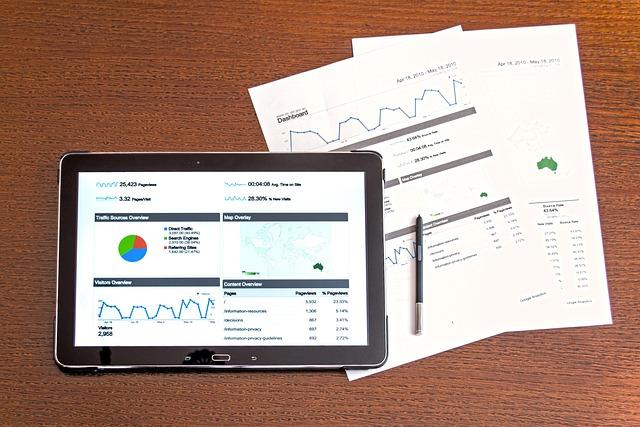
Utilizing Analytics to Continuously Improve Your SEO Strategy
In the competitive landscape of online visibility, harnessing the power of analytics is crucial for refining and enhancing your SEO tactics. By analyzing data, you can identify trends, understand user behavior, and make informed decisions that directly influence your search rankings. Here are key strategies to leverage analytics effectively:
- Track User Engagement: Utilize tools like Google Analytics to monitor how users interact with your site. Pay attention to metrics such as bounce rate, average session duration, and pages per session. A high bounce rate may indicate that your content isn’t resonating with your audience, prompting a need for revision.
- Keyword Performance Evaluation: Regularly analyze your keyword rankings and organic traffic. Identify which keywords are driving the most traffic and which ones are underperforming. This information allows you to adjust your content strategies and focus on high-value keywords.
- Competitor Analysis: Utilize SEO tools to perform a comparative analysis of your competitors. Understanding their strengths and weaknesses can provide insight into potential opportunities for your own site.
- Conversion Tracking: Set up goals within your analytics platform to track conversions related to your SEO efforts. This could include form submissions, purchases, or newsletter sign-ups, helping you understand the ROI of your SEO strategies.
Data visualization is another powerful aspect of analytics that can aid your SEO efforts. By presenting data in visually engaging formats, you can more easily identify patterns and insights. Consider using various graphs and charts to communicate key findings to your team effectively.
| Metric | Importance |
|---|---|
| Organic Traffic | Indicates overall SEO effectiveness |
| Click-Through Rate (CTR) | Measures the effectiveness of your meta tags |
| Backlink Profile | Reflects site authority and trustworthiness |
| Page Load Speed | Affects user experience and rankings |
always be prepared to adapt. SEO is an ever-evolving field, and sticking rigidly to a set strategy can hinder your growth. Regularly revisit your analytics to stay ahead of algorithm changes and shifting consumer behavior. Embrace a culture of continuous improvement, where every piece of data is a stepping stone towards elevating your site’s search performance.
Embracing Future Trends in SEO Web Design for Long-Term Success
As the digital landscape evolves, it’s crucial to stay ahead of the curve in SEO web design. The fusion of aesthetics and functionality is no longer optional; it’s essential for maintaining and boosting your search rankings. Here are several trends that are shaping the future of SEO web design:
- Mobile-First Design: With over half of all web traffic coming from mobile devices, optimizing for mobile is imperative. Responsive design ensures your website looks stunning on any device, helping to reduce bounce rates and improve rankings.
- Core Web Vitals: Google’s focus on user experience metrics—loading speed, interactivity, and visual stability—means that optimizing these factors should be a priority. Websites that prioritize performance are more likely to rank higher.
- AI and Chatbots: Integrating AI-driven features enhances user engagement and can streamline customer service. Chatbots not only improve user experience but also keep visitors on your site longer, positively impacting SEO.
- Voice Search Optimization: As smart speakers and voice-activated devices become more prevalent, optimizing for voice search becomes essential. Focusing on conversational keywords can help capture this emerging traffic source.
Moreover, incorporating structured data into your web design can significantly enhance your SEO efforts. Structured data helps search engines understand your content, leading to rich snippets that can improve click-through rates. Here’s a simple table to illustrate the impact of structured data:
| Type of Data | Impact on SEO |
|---|---|
| Article | Rich snippets can increase visibility in search results. |
| Product | Enables display of price, availability, and reviews directly on SERPs. |
| Recipe | Attracts food enthusiasts with visually appealing results. |
Accessibility is another vital trend that cannot be overlooked. Designing websites that are accessible to all users, including those with disabilities, not only fulfills legal requirements but also expands your audience. Implementing ARIA roles and ensuring proper color contrast can make a significant difference.
Lastly, as we move towards a more sustainable digital environment, eco-friendly web design practices are gaining traction. Opting for green hosting and efficient coding not only helps the planet but can also resonate with your audience, enhancing brand loyalty and trust.
Incorporating these innovative strategies into your web design will not only set you apart from the competition but will also create a robust foundation for long-term success in your SEO efforts. Your journey towards mastering SEO web design starts today, and with a forward-thinking mindset, the sky is the limit.
Frequently Asked Questions (FAQ)
Q&A: Master SEO Web Design to Boost Your Search Rankings
Q1: Why is SEO web design crucial for my website’s success?
A1: SEO web design is the backbone of a successful online presence. It ensures that your website is not just visually appealing but also optimized for search engines. By mastering SEO web design, you create a user-friendly experience that increases your chances of ranking higher in search results. Higher rankings translate to more visibility, traffic, and ultimately, conversions. Imagine turning your website into a powerful magnet that draws in your target audience effortlessly!
Q2: What are the key elements of SEO web design I should focus on?
A2: To truly harness the power of SEO web design, focus on three key elements: mobile responsiveness, fast loading times, and intuitive navigation. A mobile-responsive design ensures your site looks great on all devices, enhancing user experience. Fast loading times keep visitors engaged, as studies show that users abandon slow sites. Intuitive navigation allows users to find what they need quickly, reducing bounce rates. Together, these elements create a seamless experience that search engines reward with better rankings.
Q3: How does content integrate with SEO web design?
A3: Content is king, but it needs a throne! Your website’s design should complement and enhance your content. Use clear headings, bullet points, and engaging visuals to present your information. Incorporate relevant keywords naturally within your content to improve SEO without compromising readability. This harmonious relationship between design and content not only delights your visitors but also signals to search engines that your site is a valuable resource, boosting your rankings.
Q4: Can I optimize my website for SEO without being a tech expert?
A4: Absolutely! While some technical knowledge can be beneficial, mastering SEO web design isn’t solely for tech experts. There are countless user-friendly tools and platforms available that simplify the process. Start with a solid website builder optimized for SEO, follow best practices, and use resources like tutorials and online courses. With dedication and the right guidance, you can transform your website into a search engine-friendly masterpiece!
Q5: What role does website speed play in SEO web design?
A5: Website speed is crucial! A fast-loading site not only enhances user experience but is also a significant factor in search engine rankings. Google considers site speed as a ranking factor, so it’s essential to optimize images, leverage browser caching, and minimize code to ensure your website loads quickly. Think of it as the finishing touch that showcases your commitment to quality and professionalism, enticing visitors to stay longer and explore more.
Q6: How can I stay updated with the latest SEO web design trends?
A6: The digital landscape is always evolving, and staying updated is vital to maintaining your competitive edge. Follow reputable SEO blogs, attend webinars, and participate in online courses that focus on the latest trends and techniques. Engaging with the SEO community through forums and social media can also provide valuable insights. Remember, the journey to mastering SEO web design is continuous—embrace it, and watch your website flourish!
Q7: What’s the first step I should take to improve my SEO web design?
A7: Start with a comprehensive audit of your current website. Assess its design, speed, mobile responsiveness, and content quality. Identify areas for improvement and set clear goals for your redesign or optimization efforts. From there, implement changes gradually, focusing on the elements that will have the most significant impact on your search rankings. Remember, each step you take is a step toward creating a website that not only attracts visitors but also elevates your brand!
mastering SEO web design is not just an option; it’s a necessity in today’s digital world. By investing time and effort into optimizing your website, you’re not just boosting search rankings—you’re building a legacy that connects, engages, and inspires your audience. Embrace the journey, and watch your online presence soar!
The Way Forward
As we conclude our exploration of mastering SEO web design, remember that the journey to higher search rankings is not just about algorithms and keywords; it’s about creating meaningful experiences for your users. When you blend creativity with strategy, you don’t just enhance visibility – you forge connections, build trust, and establish lasting relationships with your audience.
Embrace the principles of SEO web design as tools that empower you to craft websites that are not only aesthetically pleasing but also functional and user-friendly. Every element, from your site’s layout to its loading speed, plays a pivotal role in attracting and retaining visitors. Let this knowledge inspire you to innovate and experiment, pushing the boundaries of what’s possible in the digital landscape.
So, take the first step today. Dive deeper into the world of SEO web design, refine your skills, and stay ahead of the curve. Your commitment to excellence will not only elevate your search rankings but will also transform your website into a powerful platform that resonates with your target audience. The future of your online presence is bright – seize it, and watch your hard work pay off in ways you never imagined. Together, let’s build a web that is both beautiful and brilliantly optimized!

New Providers

Enjoy The Speed Of Downloading & Uploading With 1GBPS Port



Affordable Dedicated Servers & Colocation Services. Services: Dedicated Servers Colocation Private Cabinet Colocation DDoS Protection

Up to 85% off hosting + website builder

We specialize in providing Web hosting reviews. Where you can search for potential hosts.