
Unlock the potential of your online presence with a winning SEO strategy! By understanding the fundamentals and implementing a step-by-step approach, you can enhance visibility, attract targeted traffic, and achieve your digital dreams. Start your journey today!
SEO Step by Step: How to Build a Winning SEO Strategy
In today’s digital landscape, having a strong online presence is no longer just an advantage; it’s a necessity. Whether you’re a budding entrepreneur, a seasoned business owner, or a passionate content creator, mastering the art of Search Engine Optimization (SEO) can be the key to unlocking your potential and reaching a wider audience. But where do you start? Navigating the intricate world of SEO can feel overwhelming, with ever-evolving algorithms and best practices that seem to change overnight. Fear not! This guide, “SEO Step by Step: How to Build a Winning SEO Strategy,” is designed to empower you with the knowledge and tools you need to elevate your website’s visibility and drive organic traffic.
Imagine your website not just surviving but thriving, drawing in visitors who are genuinely interested in what you have to offer. Picture your brand rising to the forefront of search engine results, capturing the attention of potential customers and clients. With a well-crafted SEO strategy, this vision can become your reality. In this article, we’ll break down the complexities of SEO into actionable steps, providing you with a roadmap to success. Ready to transform your online presence? Let’s embark on this journey together and turn your SEO aspirations into achievements!
Understanding the Foundations of SEO Success
At the core of successful SEO lies a comprehensive understanding of its fundamental principles. A solid foundation not only enhances visibility but also builds credibility and trust with your audience. To embark on this journey, it is essential to grasp key components that will shape your strategy.
- Keyword Research: Identifying the right keywords is crucial. Use tools like Google Keyword Planner or SEMrush to find terms your audience is searching for, ensuring they align with your content.
- On-Page Optimization: This includes optimizing title tags, meta descriptions, and header tags. Ensure that your primary keywords are naturally integrated into these elements to enhance relevance.
- Quality Content Creation: Content is king. Regularly produce high-quality, engaging, and informative content that addresses your audience’s needs while incorporating targeted keywords seamlessly.
- Technical SEO: Focus on site speed, mobile-friendliness, and secure connections (HTTPS). These elements influence user experience and search engine rankings.
- Link Building: Cultivating a strong backlink profile from reputable sites can significantly boost your site’s authority and search rankings.
Understanding the importance of user experience is equally vital. Search engines prioritize sites that offer visitors a seamless experience. Ensure your website is easy to navigate, with clear calls to action and an intuitive layout. Page loading speed is also a critical factor; optimize images and minimize code to enhance performance.
Analytics play a significant role in shaping your SEO strategy. Utilize tools like Google Analytics to track user behavior on your site, identifying which strategies yield the best results. Monitoring metrics such as organic traffic, bounce rates, and conversions will allow you to make data-driven decisions, refining your approach over time.
Lastly, remember that SEO is not a one-time effort but an ongoing process. Stay updated with the latest trends and algorithm changes to adapt your strategy accordingly. Engage with your audience through social media and community platforms to create a loyal following that amplifies your reach organically.
| SEO Element | Importance | Tip |
|---|---|---|
| Keyword Research | Identifies audience needs | Use long-tail keywords |
| On-Page Optimization | Enhances relevance | Optimize title and meta tags |
| Quality Content | Drives engagement | Regular updates |
| Technical SEO | Improves UX | Monitor site speed |
| Link Building | Boosts authority | Focus on quality over quantity |
Unlocking the Power of Keyword Research
Keyword research is the backbone of any successful SEO strategy. It helps you understand what your target audience is searching for, allowing you to create content that resonates with their needs. By identifying the right keywords, you can drive more qualified traffic to your website, ultimately leading to higher conversions and customer loyalty.
To effectively harness the power of keyword research, start by utilizing tools that provide insights into search volume, competition, and trends. Some popular options include:
- Google Keyword Planner – A free tool that offers keyword suggestions and data on search volume.
- Ahrefs - A comprehensive SEO tool that excels in competitive analysis and keyword tracking.
- SEMrush – Known for its extensive database and ability to track keyword positions across various domains.
- Ubersuggest - A user-friendly tool designed for beginners that offers keyword ideas along with their metrics.
Once you’ve collected a list of potential keywords, it’s crucial to categorize them based on their intent. Understanding whether your keywords are informational, navigational, or transactional can guide your content strategy. Here’s a quick breakdown:
| Keyword Intent | Description | Example Keywords |
|---|---|---|
| Informational | Users are looking for information or answers. | “how to bake a cake”, “what is SEO” |
| Navigational | Users are searching for a specific website or brand. | “Facebook login”, “Nike official site” |
| Transactional | Users are ready to make a purchase. | “buy running shoes”, “best SEO tools” |
After categorizing your keywords, prioritize them based on their relevance to your business goals and the potential ROI they offer. Aim for a mix of high-traffic keywords and long-tail variations that may have lower competition but can still bring in targeted traffic. This balanced approach allows you to capture both broad and niche audiences effectively.
integrate your chosen keywords into your content strategically. Ensure that they appear in key areas, such as headings, meta descriptions, and throughout the body of your text. However, avoid keyword stuffing, which can harm your SEO efforts. Instead, focus on creating high-quality, valuable content that naturally incorporates your keywords, enhancing user experience and engagement.
Crafting Compelling Content that Ranks
Creating content that captivates readers while adhering to SEO best practices is a delicate balance. The foundation of compelling content lies in understanding your audience’s needs and delivering value that speaks directly to them. Start by conducting thorough keyword research to identify the terms and phrases your target audience is actively searching for. This not only helps in optimizing your content but also ensures you’re addressing relevant topics that resonate with your readers.
Once you’ve identified your keywords, it’s time to construct your content strategy. Effective SEO content should be:
- Informative: Provide readers with valuable insights or knowledge.
- Engaging: Use storytelling techniques to make your content relatable and enjoyable.
- Actionable: Include clear calls to action that guide readers on what to do next.
Incorporate the identified keywords naturally throughout your content. Avoid overstuffing; instead, focus on context and relevance. Use headers and subheaders to break your content into digestible sections, enhancing readability and improving SEO. Additionally, incorporating multimedia elements, such as images, videos, or infographics, can significantly boost engagement and shareability, enhancing your overall SEO strategy.
Consider using tables for data presentation. Not only do they improve the user experience, but they also help search engines understand your content better. Here’s a simple example:
| Content Type | SEO Benefit |
|---|---|
| Blog Posts | Increases organic traffic through valuable insights. |
| Infographics | Improves shareability and backlinks. |
| Videos | Enhances engagement and time on site. |
Lastly, always prioritize high-quality writing. Proofread and edit your content to ensure clarity and professionalism. Utilize tools to check for grammar and style, which can elevate your credibility in the eyes of both readers and search engines. Remember, the ultimate goal is to build trust and authority in your niche, which will naturally lead to improved rankings over time.
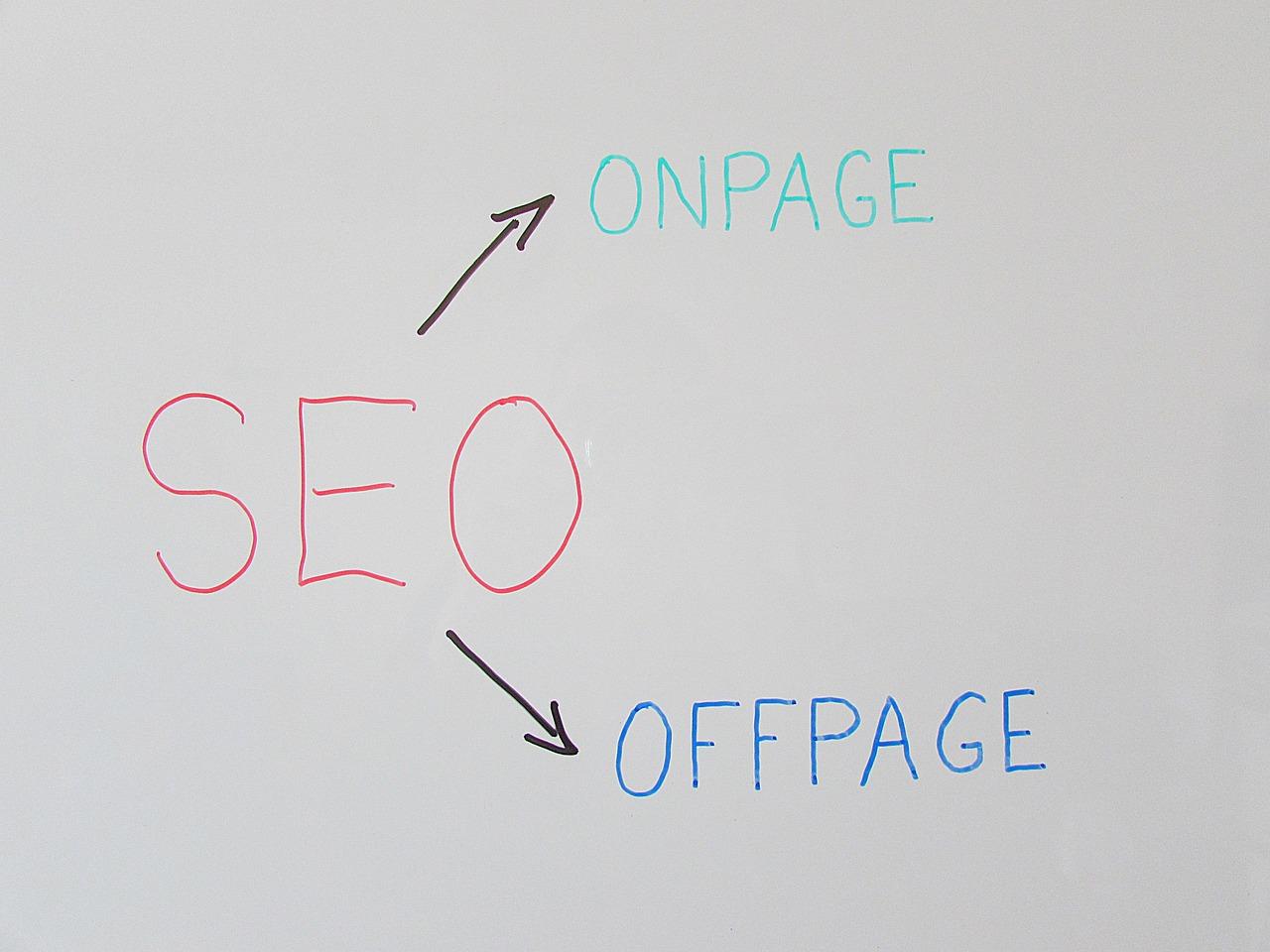
Optimizing On-Page Elements for Maximum Impact
Crafting Compelling Title Tags
Your title tag is the first impression search engines and users have of your content. It should be both informative and engaging. Aim for a length of 50-60 characters and incorporate your target keywords to increase relevance and click-through rates. A well-optimized title tag can significantly boost your visibility on search engine results pages (SERPs).
Creating Engaging Meta Descriptions
Meta descriptions serve as a teaser for your page’s content. Although they do not directly influence rankings, they play a crucial role in click-through rates. Ensure your meta description is between 150-160 characters and includes your primary keywords. Use persuasive language that invites users to click through, highlighting the unique value your content offers.
Utilizing Header Tags Effectively
Header tags (H1, H2, H3, etc.) structure your content and guide readers through your narrative. The H1 tag should be reserved for your main title, while H2 and H3 tags can break down your content into digestible sections. This not only enhances readability but also helps search engines understand the hierarchy of your content.
Incorporating Internal Links
Internal linking is a powerful yet often overlooked strategy. By linking to other relevant pages on your site, you enhance user experience and encourage deeper exploration of your content. This also helps search engines crawl your site more effectively. Ensure your anchor text is natural and descriptive, providing context for the linked page.
Optimizing Images with Alt Text
Images can significantly enhance your content, but they also need to be optimized for SEO. Use alt text to describe your images accurately. This not only improves accessibility but also allows search engines to understand the context of your visuals. Make sure to include relevant keywords in your alt text without keyword stuffing.
Improving URL Structure
A clean and descriptive URL structure is essential for both UX and SEO. Aim for URLs that are short, keyword-rich, and easy to read. Avoid complex parameters and ensure your URLs reflect the content of the page. This not only helps search engines index your site but also provides users with a clear idea of what to expect.
Responsive Design and Mobile Optimization
With an increasing number of users accessing websites via mobile devices, ensuring your site is mobile-friendly is critical. Responsive design guarantees your page elements adapt to any screen size, enhancing user experience. Google prioritizes mobile-friendly sites in its rankings, making this an essential component of your on-page optimization strategy.
Content Readability and Engagement
Lastly, your content must be engaging and easy to read. Utilize short paragraphs, bullet points, and visual elements to break up text. Aim for a conversational tone that resonates with your audience. Tools like the Flesch-Kincaid readability test can help gauge the complexity of your writing, ensuring it’s accessible to a wider audience.
Building a User-Friendly Website Experience
Creating a website that users find easy to navigate is essential for retaining visitors and encouraging them to engage with your content. A user-friendly design not only enhances the overall experience but also plays a crucial role in your SEO strategy. Here are key elements to consider:
- Intuitive Navigation: Ensure that your menu is easy to understand and that users can find what they need in just a few clicks. Use clear labels and organize content logically.
- Responsive Design: With the rise of mobile browsing, a responsive layout that adapts to different screen sizes is non-negotiable. This approach improves usability and keeps users on your site longer.
- Fast Loading Speeds: Optimize images and streamline code to ensure your pages load quickly. Users are likely to abandon a site that takes too long to display.
Additionally, consider implementing accessible design principles to cater to all users, including those with disabilities. This involves using appropriate color contrasts, alt text for images, and keyboard navigation capabilities. Accessibility not only broadens your audience but also aligns with search engine guidelines.
User Engagement Tools
Incorporating interactive elements can significantly boost user engagement. Think about adding:
- Contact Forms: Make it easy for visitors to reach out with questions or feedback.
- Live Chat Features: Offering real-time assistance can help resolve issues instantly, enhancing user satisfaction.
- Comment Sections: Encourage dialogue by allowing users to leave comments and share their thoughts on your articles.
Content Layout and Readability
The way you present your content can greatly influence user experience. Focus on:
- Scannable Content: Use headings, bullet points, and short paragraphs to make your content easier to digest. This helps users to skim through and find what interests them quickly.
- Consistent Styling: Use a consistent color scheme and font style throughout your website to create a cohesive look that feels professional.
Feedback and Improvement
gathering user feedback is vital for continuous improvement. Use tools like surveys or feedback forms to understand user preferences and pain points. Analyzing user behavior through analytics can also provide insights into which areas of your website may require adjustments.
By focusing on these aspects, you can create a website experience that keeps users engaged and satisfied, ultimately contributing to your SEO success.
Leveraging Technical SEO for Enhanced Visibility
In the realm of digital marketing, technical SEO acts as the backbone of your entire strategy. By optimizing the underlying architecture of your website, you can significantly improve your visibility on search engines, ensuring that your content reaches the right audience. Below are essential elements to focus on:
- Site Speed: A fast-loading website is crucial for enhancing user experience and reducing bounce rates. Utilize tools like Google PageSpeed Insights to identify areas for improvement.
- Mobile Optimization: With mobile traffic on the rise, ensure that your site is fully responsive. Google prioritizes mobile-friendly sites in its rankings.
- XML Sitemap: Create and submit an XML sitemap to search engines to help them understand your site structure and prioritize indexing of your pages.
- Robots.txt File: Use a robots.txt file to control how search engines crawl your site. This can help prevent indexing of pages that are not useful for your audience.
- Secure Sockets Layer (SSL): Implement HTTPS to secure your site. Google has confirmed that secure sites receive a ranking boost.
Another critical aspect is the use of structured data markup. By incorporating schema markup, you can help search engines interpret your content more effectively. This leads to rich snippets in search results, enhancing click-through rates. Here’s a simple overview of how structured data can benefit you:
| Type of Schema | Benefit |
|---|---|
| Article | Enhances visibility with rich snippets for articles. |
| Product | Shows price and availability directly in search results. |
| Event | Displays upcoming events, attracting more attendees. |
Additionally, conducting regular site audits can uncover hidden issues that might hinder your performance. Tools like SEMrush and Ahrefs can help you identify broken links, duplicate content, and other technical issues that require immediate attention. These audits should be part of your routine to maintain optimal site health.
Lastly, don’t overlook the importance of internal linking. A well-structured internal linking strategy not only helps users navigate your site but also strengthens the overall SEO. By linking relevant content, you can boost page authority and improve the likelihood of ranking higher on search engines.

Creating an Effective Link Building Strategy
Building a successful link building strategy is essential for improving your website’s authority and boosting your search engine rankings. By acquiring high-quality backlinks from reputable sources, you not only enhance your online credibility but also drive more organic traffic to your site. Here are some key components to consider when crafting your strategy:
- Identify Your Target Audience: Understand who your ideal visitors are. Tailor your outreach efforts to align with their interests and needs.
- Research Competitors: Analyze your competitors’ backlink profiles. Identify opportunities where you can acquire similar links.
- Create High-Quality Content: Develop engaging, informative, and shareable content that naturally attracts links. Consider infographics, how-to guides, and comprehensive articles.
- Utilize Guest Blogging: Write guest posts for reputable blogs in your niche. This helps you gain exposure while earning valuable backlinks.
- Engage in Community Outreach: Participate in online forums, social media groups, and industry events. Networking can lead to natural link-building opportunities.
To further enhance your strategy, consider the following approaches:
| Link Building Method | Description | Benefits |
|---|---|---|
| Broken Link Building | Find and notify webmasters about broken links on their sites and suggest your content as a replacement. | Helps improve others’ sites while earning backlinks. |
| Resource Page Link Building | Reach out to websites that curate resource lists related to your industry. | Gains exposure on authoritative sites. |
| Skyscraper Technique | Create superior content based on existing popular articles and promote it. | Encourages linking from those who referenced the original content. |
Remember, quality trumps quantity. Focus on acquiring links from high-authority domains to ensure that your efforts yield significant results. Monitor your progress and adjust your tactics based on what works best for your niche and audience. With perseverance and creativity, your link building strategy can turn into a powerful asset for your SEO endeavors.
Harnessing the Power of Local SEO
In today’s digital landscape, local SEO is more crucial than ever for businesses that rely on foot traffic and local clientele. This specialized approach not only enhances your online visibility but also connects you with potential customers right in your neighborhood. By optimizing your website for local search, you can harness the power of community-focused marketing and elevate your business to new heights.
One of the fundamental steps in local SEO is to ensure your business is accurately listed on Google My Business. This free tool allows you to manage your online presence across Google, including Search and Maps. Here are some key elements to focus on:
- Complete Your Profile: Provide detailed information such as your business name, address, phone number, and hours of operation.
- Use Keywords Wisely: Incorporate relevant local keywords in your business description to improve your searchability.
- Add Photos: High-quality images can significantly enhance user engagement and drive foot traffic.
Moreover, gathering and responding to customer reviews plays a pivotal role in local SEO strategy. Positive reviews not only build trust but also improve your ranking in local search results. Consider implementing the following practices:
- Encourage Feedback: After a transaction, politely ask customers to leave a review on your Google My Business page or on social media.
- Engage with Customers: Respond to both positive and negative reviews to show that you value customer feedback.
- Highlight Testimonials: Feature glowing reviews on your website to showcase your brand’s credibility.
Another critical aspect is leveraging local content marketing. Create blog posts, articles, or guides that resonate with your local audience. For example:
| Content Type | Example Topic |
|---|---|
| Blog Post | Top 10 Local Events in [Your City] |
| Guide | A Local’s Guide to Hidden Gems in [Your Area] |
| Video | Behind the Scenes at [Your Business] |
By focusing on local content, you not only position yourself as an authority in your community but also increase your chances of being featured in local search results. Remember, the essence of local SEO lies in your ability to connect authentically with your audience and meet their specific needs.

Measuring Success with Analytics and Metrics
In the digital landscape, measuring success is paramount to refining your SEO strategy. Analytics and metrics provide a wealth of information that can transform your approach and enhance your outcomes. By focusing on the right indicators, you can gain insights that guide your decisions and drive growth.
Key Metrics to Monitor:
- Organic Traffic: This is the lifeblood of your SEO efforts. Tracking the number of visitors arriving through search engines will help you understand the effectiveness of your keywords and content strategy.
- Conversion Rate: Beyond just traffic, it’s crucial to measure how many visitors are taking desired actions on your site. This could include signing up for a newsletter, filling out a contact form, or making a purchase.
- Bounce Rate: A high bounce rate may indicate that your landing pages are not engaging or relevant enough. Identifying pages with high exit rates can direct you to areas in need of improvement.
- Keyword Rankings: Regularly checking where your site ranks for targeted keywords allows you to assess the effectiveness of your optimization efforts and adjust your strategy accordingly.
Utilizing tools like Google Analytics and Search Console can streamline the process of gathering this data. With these tools, you can create custom reports that focus on your specific goals and KPIs, making it easier to track progress over time. Consider establishing a regular review process to assess these metrics, which helps in identifying trends and making informed decisions.
Creating a Performance Dashboard:
To visualize your success effectively, consider creating a performance dashboard that consolidates your key metrics into a single view. This can include:
| Metric | Value | Trend |
|---|---|---|
| Organic Traffic | 5,000/month | ↑ 20% |
| Conversion Rate | 3.5% | → No Change |
| Bounce Rate | 45% | ↓ 5% |
| Average Keyword Position | 5th | ↑ 1 Position |
By observing these metrics collectively, you can pinpoint successful strategies and areas that need attention. This holistic view not only aids in tracking performance but also fosters proactive adjustments to your SEO initiatives.
In the grand scheme of your SEO strategy, analytics and metrics serve as the compass guiding your journey. Embracing a data-driven approach empowers you to make smarter, strategic decisions that not only enhance visibility but also foster long-term success. Remember, success is not just about driving traffic; it’s about creating meaningful engagement that leads to conversions.

Staying Ahead with Ongoing SEO Audits
In the ever-evolving landscape of digital marketing, maintaining a strong online presence requires more than just initial optimization; it demands a commitment to ongoing SEO audits. These assessments serve as a vital checkpoint, allowing businesses to adapt to both algorithm updates and shifting user behaviors. By prioritizing regular audits, you’re not just reacting to changes, but proactively refining your strategy to stay ahead of the competition.
Consider the following benefits of conducting consistent SEO audits:
- Identify Opportunities: Regular audits help uncover new keywords, content gaps, and potential areas for link building.
- Enhance User Experience: Analyzing site performance can lead to improvements in site speed, navigation, and overall usability.
- Boost Rankings: Keeping tabs on SEO metrics allows you to adjust your strategy to respond to fluctuations in rankings promptly.
- Stay Ahead of Competitors: By understanding industry trends and competitor tactics, you can adapt quickly and maintain a competitive edge.
Implementing a structured SEO audit process is crucial. This can include:
- Technical Audits: Evaluate website architecture, crawlability, and indexability to ensure search engines can effectively access your content.
- On-Page Audits: Analyze meta tags, content quality, and keyword optimization for individual pages.
- Off-Page Audits: Review your backlink profile to assess the quality and relevance of linking domains.
- Content Audits: Identify outdated content and opportunities for fresh, relevant topics that resonate with your audience.
To simplify your auditing process, consider using a table to track your findings and action items:
| Audit Type | Finding | Action Required |
|---|---|---|
| Technical | High bounce rate | Improve page load speed |
| On-Page | Missing meta descriptions | Add unique descriptions |
| Off-Page | Low-quality backlinks | Disavow harmful links |
| Content | Outdated articles | Update with fresh information |
Regularly revisiting these components not only bolsters your SEO strategy but also sheds light on the evolving needs of your audience. Being agile in your approach enables you to pivot swiftly, ensuring your content remains relevant and engaging. As you embark on your journey of continuous improvement, remember that SEO is not a one-time task but a dynamic process that can lead to sustained growth and success.
Adapting to Algorithm Changes and Trends
In the ever-evolving digital landscape, staying ahead of the curve is not just an advantage; it’s a necessity. Search engines are constantly refining their algorithms, which means that what worked yesterday might not yield the same results today. To thrive, it’s essential to embrace a mindset of flexibility and adaptability.
Monitor Algorithm Updates: Keeping an eye on the latest algorithm updates is crucial. Here are some effective strategies:
- Subscribe to authoritative SEO blogs and newsletters.
- Participate in online SEO communities and forums.
- Utilize tools like Google Analytics and Search Console to track changes in traffic and ranking.
Analyze Trends: Understanding the trends in user behavior and search intent can give you a competitive edge. Consider these approaches:
- Utilize Google Trends to observe fluctuations in search queries.
- Analyze seasonal patterns in your niche to optimize content timely.
- Engage in social listening to capture emerging topics and interests.
Emphasize Quality Content: No matter the changes in algorithms, quality content remains a cornerstone of effective SEO. Focus on:
- Creating valuable, informative, and engaging content that answers user queries.
- Incorporating multimedia elements like videos and infographics to enhance user experience.
- Regularly updating existing content to keep it relevant and accurate.
Adopt a Mobile-First Approach: With mobile traffic surpassing desktop, prioritizing mobile optimization is non-negotiable. Key considerations include:
- Ensuring your site is responsive and loads quickly on mobile devices.
- Optimizing images and videos for faster loading times.
- Utilizing mobile-friendly navigation and design for a seamless user experience.
Table of Key Metrics to Monitor
| Metric | Description | Importance |
|---|---|---|
| Organic Traffic | Number of visitors coming from search engines. | High – Indicates SEO effectiveness. |
| Bounce Rate | Percentage of visitors who leave after viewing one page. | Medium – Affects rankings and user engagement. |
| Average Session Duration | Average time visitors spend on your site. | High – Reflects content relevance and quality. |
| Conversion Rate | Percentage of visitors who complete desired actions. | Critical – Measures ROI of your SEO efforts. |
Adapting your SEO strategy in response to algorithm changes and trends not only safeguards your online presence but can also propel your site to new heights. By fostering a culture of continuous learning and experimentation, you can transform challenges into opportunities for growth.

The Role of Social Media in SEO Strategy
In today’s digital landscape, social media is not just a platform for social networking; it plays a crucial role in enhancing your SEO strategy. By leveraging social media effectively, businesses can drive traffic to their websites, boost their online visibility, and improve their search engine rankings. Here’s how social media can be an indispensable asset in your quest for SEO success.
1. Increased Brand Awareness
Social media serves as a powerful tool for amplifying your brand’s presence. When you share valuable content, it not only reaches your immediate followers but can also be shared by them, expanding your reach exponentially. This increased visibility not only boosts brand recognition but also establishes your authority within your niche, which can lead to more backlinks from reputable sites.
2. Content Distribution
Sharing your content on social media platforms ensures that it gets in front of a broader audience. Engaging posts can encourage shares and discussions, which may lead to increased traffic to your website. Here are ways to optimize your content distribution:
- Use eye-catching visuals and headlines.
- Post at optimal times when your audience is most active.
- Engage with your audience to encourage further sharing.
3. Enhanced User Engagement
Social media provides a unique opportunity to engage with your audience directly, fostering a community around your brand. The more engaged your audience is, the more likely they are to visit your website and interact with your content. This engagement can improve your SEO metrics, such as dwell time and bounce rates, which are essential factors in how search engines rank your site.
4. Social Signals and SEO Correlation
While social signals (likes, shares, and comments) are not direct ranking factors, they can influence SEO indirectly. A strong social media presence can lead to more people linking to your content, which is a significant ranking factor for search engines. Additionally, high engagement on your social platforms can enhance your content’s visibility in search results.
5. Building Relationships with Influencers
Collaborating with influencers in your industry can amplify your reach. Influencers can help you tap into their established audiences, creating opportunities for backlinks and increased traffic. Building relationships with these individuals can lead to guest posts, co-marketing efforts, and other beneficial partnerships that enhance your SEO efforts.
6. Data Insights for SEO Strategy
Social media platforms provide invaluable insights into your audience’s preferences and behaviors. This data can inform your SEO strategy by helping you understand which keywords resonate with your audience, what type of content they prefer, and when they are most likely to engage. By aligning your SEO and social media strategies, you can create more targeted and effective campaigns.
integrating social media into your SEO strategy is not just beneficial; it’s essential. By leveraging the power of social media, you can enhance your brand’s visibility, drive traffic to your site, and improve your overall SEO performance. Embrace the synergy between these two powerful marketing tools, and watch your online presence flourish.

Empowering Your Team for SEO Excellence
To achieve SEO excellence, it’s essential to build a collaborative culture within your team. Empowering your team means ensuring that everyone understands and contributes to the overall SEO strategy. This can be achieved through targeted training sessions, workshops, and ongoing support. A well-informed team is not just an asset; it becomes a driving force for your SEO initiatives.
Consider implementing the following strategies to empower your team:
- Regular Training: Provide comprehensive training on SEO fundamentals, tools, and best practices to keep your team updated.
- Encourage Cross-Department Collaboration: SEO is not just an isolated function. Encourage collaboration between marketing, content, and development teams for a holistic approach.
- Set Clear Goals: Establish specific, measurable goals for your SEO efforts. This provides clarity and purpose, motivating your team to work toward common objectives.
- Share Success Stories: Celebrate wins, whether big or small. Sharing case studies and success stories within your team can inspire and motivate individual members.
In addition to these strategies, providing your team with the right tools is crucial for success. Investing in SEO software and analytics tools can simplify processes and enhance productivity. The right tools enable your team to analyze data effectively, track performance, and adjust strategies in real time.
Consider creating a resource hub where your team can access essential SEO tools, guides, and updates. This centralized knowledge base can be invaluable for onboarding new team members and ensuring everyone is aligned with the latest trends and methodologies.
To measure the effectiveness of your training and empowerment initiatives, you can utilize a simple performance tracking table:
| Training Initiative | Team Member Participation (%) | Impact on SEO Performance |
|---|---|---|
| SEO Fundamentals Workshop | 90% | Increased organic traffic by 25% |
| Monthly SEO Review Meetings | 80% | Improved keyword rankings by 15% |
| Cross-Department Collaboration Sessions | 75% | Boosted content engagement by 20% |
By fostering a culture of empowerment and engagement, your team will be better equipped to navigate the complexities of SEO. When each member feels valued and knowledgeable, your SEO strategy will not only thrive but also evolve as market conditions change. Invest in your people, and watch your SEO efforts soar to new heights.

Embracing Continuous Learning and Improvement
In the ever-evolving landscape of search engine optimization, the key to long-lasting success lies in the ability to adapt and grow. Every strategy you implement should be seen as a stepping stone, a process that not only aims for immediate results but also fosters a culture of ongoing enhancement. equips you with the tools to respond to changes and seize new opportunities.
To cultivate this mindset, consider the following practices:
- Stay Informed: Regularly consume content from industry leaders, blogs, and webinars to keep your knowledge fresh and relevant.
- Analyze Results: Use analytics tools to assess the effectiveness of your SEO efforts. Understand what’s working and what needs adjustment.
- Seek Feedback: Engage with your audience and peers to gain insights into their perceptions and challenges, helping you refine your approach.
- Experiment with Trends: Don’t be afraid to test new strategies, such as voice search optimization or AI-driven content creation, to stay ahead of the competition.
Furthermore, creating a feedback loop within your team or community can amplify your learning process. Encourage brainstorming sessions where ideas and experiences can be shared freely, leading to innovative solutions and strategies. Involving diverse perspectives often leads to breakthroughs that singular efforts may miss.
Investing in your own education is also crucial. Online courses, workshops, and certifications can expand your skill set and provide you with new insights into SEO best practices. Allocate time each week for professional development to keep your knowledge base robust and up-to-date.
| Learning Method | Benefits |
|---|---|
| Online Courses | Structured learning with expert guidance |
| Webinars | Real-time insights from industry leaders |
| Networking Events | Building connections and exchanging ideas |
| Podcasts | Flexible learning on-the-go |
Ultimately, cultivating a habit of continuous learning not only strengthens your SEO strategy but also transforms your approach to challenges into opportunities. By welcoming change and prioritizing improvement, you empower yourself to navigate the complexities of the digital landscape with confidence and creativity.
Frequently Asked Questions (FAQ)
Q&A: SEO Step by Step – How to Build a Winning SEO Strategy
Q1: What is SEO, and why is it important for my business?
A1: SEO, or Search Engine Optimization, is the art and science of enhancing your online presence to rank higher in search engine results. It’s crucial for your business because it drives organic traffic to your website, increases visibility, and builds trust with potential customers. In today’s digital landscape, a robust SEO strategy can mean the difference between being found or lost in the vast sea of online content. Embrace SEO, and watch your business flourish!
Q2: What are the first steps I should take to start my SEO journey?
A2: Start by conducting thorough keyword research to identify what your target audience is searching for. Tools like Google Keyword Planner or SEMrush can help. Next, optimize your website’s structure and content to align with these keywords. Focus on creating high-quality, valuable content that addresses your audience’s needs. Remember, this is about building connections and providing solutions—so let your passion shine through!
Q3: How can I improve my website’s user experience (UX) as part of my SEO strategy?
A3: A great UX is essential for SEO success. Ensure your website is mobile-friendly, fast-loading, and easy to navigate. Incorporate clear calls to action (CTAs) and engaging visuals. Every element should guide visitors smoothly through their journey. By prioritizing your users, you not only enhance their experience but also boost your search rankings. A happy visitor is a returning visitor!
Q4: How important is content creation in my SEO strategy?
A4: Content is the heart of SEO! High-quality, relevant content attracts users and keeps them engaged. Aim for a mix of informative articles, blogs, videos, and infographics to cater to different preferences. Consistently publishing fresh content not only helps you rank better but also establishes your authority in your niche. Remember, every piece of content is an opportunity to inspire, inform, and connect with your audience!
Q5: What role do backlinks play in SEO, and how can I earn them?
A5: Backlinks are like votes of confidence from other websites. They signal to search engines that your content is credible and valuable. To earn backlinks, create shareable content, build relationships with influencers and industry leaders, and engage in guest blogging. Always focus on quality over quantity—one high-authority backlink can be worth ten mediocre ones. When others recognize your value, your SEO rankings will soar!
Q6: How can I measure the success of my SEO efforts?
A6: Use tools like Google Analytics and Google Search Console to track your performance. Monitor key metrics such as organic traffic, bounce rates, and conversion rates. Set specific goals and regularly review your strategies to see what’s working and what needs adjustment. SEO is an ongoing journey—stay adaptable, learn from your data, and keep pushing forward. Every step taken is a step closer to your goals!
Q7: What is the most common mistake businesses make in their SEO strategies?
A7: One of the biggest mistakes is neglecting to stay updated with SEO trends and algorithm changes. The digital landscape is constantly evolving, and what worked yesterday may not work today. Commit to continuous learning and remain flexible in your approach. This resilience will empower you to adapt and thrive, ensuring your SEO strategy remains effective and relevant.
Q8: Can anyone succeed with SEO, regardless of their experience level?
A8: Absolutely! SEO is accessible to all, whether you’re a seasoned marketer or just starting. With dedication, curiosity, and a willingness to learn, you can craft a winning SEO strategy. Leverage online resources, take courses, and don’t hesitate to seek guidance from experts. Remember, every great success story begins with a single step. Take yours today, and let your SEO journey inspire others!
Final Thoughts:
Building a winning SEO strategy is not just about algorithms and keywords; it’s about connecting with your audience and sharing your unique voice. Stay passionate, remain persistent, and watch your efforts transform your online presence. Your success story is waiting to unfold—seize the opportunity!
Final Thoughts
As we wrap up our journey through the intricacies of building a winning SEO strategy, remember that the path to digital success is not just about algorithms and keywords; it’s about understanding your audience and crafting experiences that resonate with them. Each step you take, from keyword research to technical optimization, is a building block in creating a robust online presence that stands out in a crowded marketplace.
Now is the time to take action. Armed with the insights and strategies outlined in this guide, you have the power to transform your digital landscape. Embrace the challenges, stay curious, and let creativity fuel your efforts. SEO is not a one-time task but an evolving journey that requires dedication and adaptability.
As you implement your strategy, keep an eye on the horizon. The digital world is ever-changing, and with it, new opportunities will arise. Stay proactive, continue learning, and don’t shy away from experimenting. Remember, every great achievement starts with a single step, and your commitment to mastering SEO will not only elevate your brand but also inspire others in your industry.
So go forth with confidence! Build your strategy, measure your results, and watch as your hard work pays off. The success you’ve envisioned is within your reach—let your SEO journey be the catalyst for your ultimate triumph.

New Providers

Enjoy The Speed Of Downloading & Uploading With 1GBPS Port



Affordable Dedicated Servers & Colocation Services. Services: Dedicated Servers Colocation Private Cabinet Colocation DDoS Protection

Up to 85% off hosting + website builder

We specialize in providing Web hosting reviews. Where you can search for potential hosts.