
Unlock the potential of your online store with masterful eCommerce website design! Discover inspiring examples and expert tips that captivate customers, elevate your brand, and drive sales. Transform your vision into a thriving digital marketplace today!
Master eCommerce Website Design: Examples and Tips
Master eCommerce Website Design: Examples and Tips
In today’s digital age, your eCommerce website is more than just an online store; it’s the heartbeat of your business, the first impression for potential customers, and a powerful platform for building lasting relationships. With a staggering number of online shoppers growing every minute, the importance of a captivating, user-friendly website cannot be overstated. It’s not just about selling products; it’s about creating an unforgettable shopping experience that keeps customers coming back for more.
This article will guide you through the art of eCommerce website design, showcasing inspiring examples that exemplify the perfect blend of aesthetics and functionality. Whether you’re a seasoned entrepreneur or just starting your online journey, our expert tips will empower you to elevate your website, enhance user engagement, and ultimately drive sales. Prepare to unlock the secrets of exceptional eCommerce design and transform your online presence into a vibrant marketplace that resonates with customers on every level. Let’s embark on this creative journey together!
Mastering the Art of eCommerce Design for Maximum Impact
Creating an effective eCommerce website is not just about having a sleek design; it’s about crafting an experience that resonates with your customers. A well-designed eCommerce site can significantly boost conversion rates and foster customer loyalty. Here are some essential elements to consider for your online store:
- User-Centric Navigation: Ensure that your site’s navigation is intuitive. Categories should be clear, and products easy to find. Use breadcrumb trails to enhance exploration.
- Visual Hierarchy: Use size, color, and spacing to create a visual hierarchy that guides users toward important elements, such as calls to action and promotional banners.
- Responsive Design: With an increasing number of shoppers using mobile devices, ensure your design adapts seamlessly across all screen sizes. A responsive design enhances usability and accessibility.
Incorporating high-quality images is equally important. Products should be showcased with clear, appealing visuals. Consider the following:
- Multiple Angles: Provide images from various angles to give customers a comprehensive view of the product.
- Zoom Feature: Allow customers to zoom in on product details, enhancing their ability to assess quality and craftsmanship.
- Contextual Images: Show products in use or within lifestyle settings to help customers envision their purchase in real life.
Equally vital is the integration of trust signals throughout your site. Building trust can lower purchase hesitations and reduce cart abandonment rates. Consider implementing:
- Customer Reviews and Ratings: Highlighting positive feedback not only builds credibility but also influences potential buyers’ decisions.
- Secure Payment Options: Display recognizable payment icons and offer various secure payment methods to reassure users during checkout.
- Money-Back Guarantee: Emphasize your return policies and guarantees to alleviate customer fears of making a purchase.
| Design Element | Impact on Conversion |
|---|---|
| User-Centric Navigation | Increases ease of finding products |
| High-Quality Images | Enhances perceived value |
| Trust Signals | Reduces purchase anxiety |
| Responsive Design | Improves mobile shopping experience |
Lastly, never underestimate the power of a compelling call to action (CTA). Your CTA buttons need to be eye-catching and persuasive. Use action-oriented language that creates urgency, such as “Shop Now” or “Limited Time Offer.” Experiment with button colors and placements to see what resonates best with your audience.
By focusing on these critical design elements, you can create an eCommerce website that not only captures attention but also converts visitors into loyal customers. Aim for a seamless, enjoyable shopping experience that reflects your brand’s values and resonates with your target audience.
Creating a User-Friendly Interface That Captivates Shoppers
In the competitive world of eCommerce, a user-friendly interface is not just an optional enhancement; it is a crucial element that can significantly influence shopper behavior. Crafting a design that gracefully bridges functionality with aesthetic appeal can transform casual browsers into loyal customers. Here are some key elements to consider when developing an interface that captivates shoppers:
- Intuitive Navigation: Ensure that your website’s navigation is straightforward and intuitive. Use clear categories and subcategories, allowing visitors to quickly locate products without frustration.
- Responsive Design: With an increasing number of shoppers using mobile devices, it’s vital that your website is fully responsive. A design that adapts seamlessly to different screen sizes enhances user experience significantly.
- Clear Call-to-Actions (CTAs): Strategically place eye-catching CTAs throughout your site. Use action-oriented language that compels users to take the next step, whether it’s adding a product to their cart or signing up for a newsletter.
- Visual Hierarchy: Employ visual hierarchy principles to draw attention to key elements. Use varying font sizes, colors, and spacing to guide users toward important information and decisions.
Another vital aspect is to ensure that your website loads quickly. Studies show that a delay of just a few seconds can lead to increased bounce rates. Optimize images and leverage modern web technologies to enhance your site’s performance.
In addition to speed, trust signals play a significant role in a shopper’s decision-making process. Incorporate elements such as customer reviews, security badges, and return policy highlights to establish credibility and reassure potential buyers.
| Element | Importance | Example |
|---|---|---|
| Intuitive Navigation | Helps users find products easily | Dropdown menus for categories |
| Responsive Design | Enhances mobile shopping experience | Fluid grids and flexible images |
| Clear CTAs | Prompts user actions effectively | “Buy Now” buttons |
| Visual Hierarchy | Guides users to key information | Bold headlines and contrasting colors |
Lastly, don’t underestimate the power of consistent branding. A cohesive visual identity not only enhances recognition but also builds trust. Use a consistent color palette, typography, and imagery style throughout your site to create an engaging and memorable shopping experience.

The Power of Visual Storytelling in eCommerce Websites
In the crowded marketplace of eCommerce, where countless brands vie for consumer attention, the ability to tell a story through visuals can make all the difference. Visual storytelling isn’t just about aesthetics; it’s about creating an emotional connection that resonates with customers and drives engagement. By incorporating powerful imagery, videos, and graphics, brands can craft narratives that guide potential buyers through their journey, making the experience both enjoyable and memorable.
To harness the full potential of visual storytelling, consider the following strategies:
- High-Quality Imagery: Use professional photography to showcase products in their best light. Clear, vibrant images can highlight features and details that entice buyers.
- Consistent Branding: Ensure that all visual elements align with your brand’s identity. This consistency builds trust and recognition among your audience.
- Compelling Videos: Integrate videos that demonstrate product use or tell the brand story. Engaging content can capture attention and increase conversion rates significantly.
- User-Generated Content: Encourage customers to share their experiences through photos and reviews. This authentic content can enhance trust and encourage new visitors to make a purchase.
Moreover, data visualization can play a crucial role in simplifying complex information. By presenting key statistics and data through infographics or interactive elements, you can enhance understanding and retention. For instance:
| Visual Element | Impact on eCommerce |
|---|---|
| Product Videos | Increase engagement rates by up to 80% |
| Infographics | Boost information retention by 60% |
| User Photos | Enhance perceived brand authenticity |
Additionally, the emotional response elicited by visual storytelling can drive purchasing decisions. Colors, textures, and images evoke feelings that can persuade visitors to choose one product over another. For example, warm tones can create a sense of comfort and belonging, while vibrant colors might evoke excitement and urgency. Tailoring your visual narrative to align with your target audience’s emotions can be a game-changer.
don’t underestimate the power of layout and design. A well-structured eCommerce website that uses whitespace effectively allows visuals to breathe and command attention. Create a seamless flow from one section to another, guiding users intuitively through your storytelling journey.
Optimizing Mobile Experience for the Modern Buyer
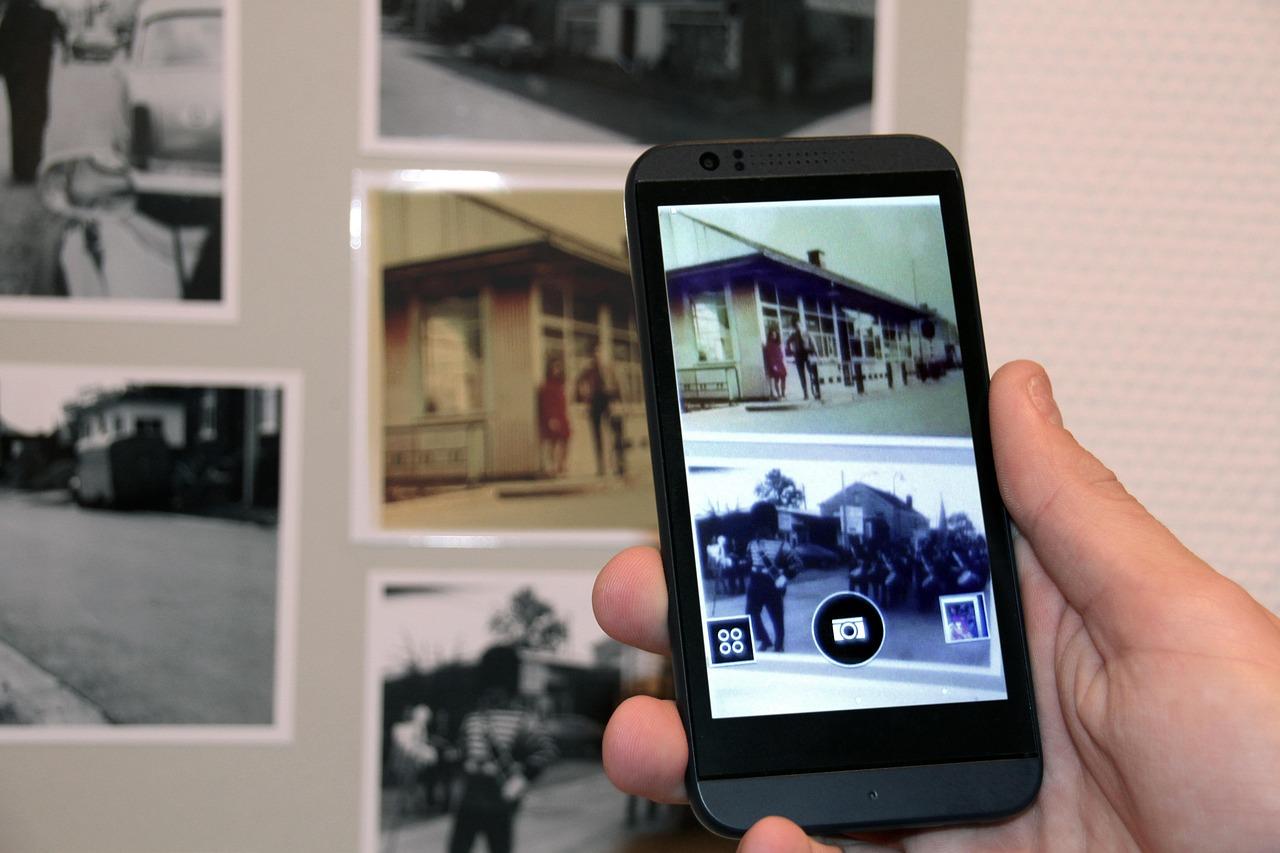
In today’s fast-paced digital landscape, ensuring a seamless mobile experience is essential for any eCommerce business. With over half of all online shopping now happening on mobile devices, a well-optimized mobile site is no longer an option; it’s a necessity. Focusing on mobile user experience not only enhances customer satisfaction but also boosts conversion rates significantly.
One of the key elements of an effective mobile experience is responsive design. This ensures that your website adapts to any screen size, providing an optimal viewing experience. Here are some best practices to consider:
- Fluid Grid Layouts: Use flexible grid layouts that automatically adjust to the screen size.
- Large Touch Targets: Ensure buttons and links are easy to tap without zooming.
- Minimal Text Input: Reduce the need for typing by utilizing dropdowns and checkboxes.
Another crucial aspect is loading speed. Mobile users expect quick access to information and products. A delay of just a few seconds can lead to increased bounce rates. To enhance loading speed:
- Optimize Images: Use compressed images to minimize load times without sacrificing quality.
- Minimize HTTP Requests: Limit the number of elements on your pages to reduce loading times.
- Leverage Browser Caching: Enable caching to load frequently visited pages faster on repeat visits.
In addition to speed and design, consider the checkout process. A cumbersome checkout can lead to abandoned carts, especially on mobile. Streamline the process by:
- Single-page Checkout: Allow users to complete their purchase without navigating away from the shopping cart.
- Guest Checkout: Provide an option for customers to check out without creating an account.
- Multiple Payment Options: Support various payment methods, including mobile wallets for quicker transactions.
enhance your mobile strategy by implementing features that engage users. Utilize push notifications to keep customers informed about offers, abandoned carts, or new arrivals. Personalization also plays a significant role; tailor content based on user behavior and preferences to create a meaningful shopping experience.
| Feature | Importance | Implementation Tips |
|---|---|---|
| Responsive Design | Adapts to any device | Use CSS media queries |
| Fast Loading Times | Reduces bounce rates | Optimize images & scripts |
| Streamlined Checkout | Improves conversion | Implement guest checkout |
| User Engagement | Increases retention | Utilize personalized notifications |
Essential Elements of an Effective Product Page
Creating a product page that resonates with customers is crucial for transforming views into sales. An effective product page not only showcases the item but also tells a story that captivates potential buyers. Here are the indispensable components that can elevate your product pages and drive conversions.
- High-Quality Images: Visuals are the first thing shoppers notice. Use multiple high-resolution images that allow customers to see products from various angles. Implement a zoom feature to let them inspect details closely.
- Compelling Product Descriptions: Write engaging and informative descriptions that highlight the features and benefits of the product. Use persuasive language that addresses potential customer pain points and how your product solves them.
- Clear Pricing and Availability: Make sure the price is prominently displayed and easy to understand. Include any available discounts, shipping fees, and stock availability to set clear expectations.
- Customer Reviews and Ratings: Incorporating user-generated content like reviews and ratings builds trust. Showcasing positive feedback can significantly influence purchasing decisions.
- Call to Action (CTA): Your CTA should stand out on the page, encouraging users to take action. Phrases like “Add to Cart” or “Buy Now” should be bolded and strategically placed for maximum visibility.
Additionally, consider integrating a comparison table for products within similar categories. This can help customers easily evaluate their options and make informed choices:
| Feature | Product A | Product B |
|---|---|---|
| Price | $29.99 | $34.99 |
| Rating | 4.5/5 | 4.7/5 |
| Free Shipping | Yes | No |
Incorporating these elements leads to a seamless shopping experience that not only informs but also excites customers about their potential purchase. An effective product page is your opportunity to engage and convert, making it a vital part of your overall eCommerce strategy.

Harnessing Color Psychology to Boost Sales
Color is not just a visual element; it’s a powerful tool that influences emotions, perceptions, and ultimately, purchasing decisions. Understanding the psychology behind color can give your eCommerce website a competitive edge. By strategically incorporating colors that evoke specific feelings, you can guide customers through their shopping experience and encourage them to make a purchase.
Red is often associated with excitement, energy, and passion. It captures attention quickly and is perfect for call-to-action buttons. Using a bold red for your “Buy Now” or “Add to Cart” buttons can create a sense of urgency that encourages quick decision-making. Additionally, brands like Target and McDonald’s have effectively utilized red to drive impulse buys.
Blue conveys trust, reliability, and calmness. This makes it a popular choice for financial institutions and eCommerce platforms focused on delivering a safe shopping experience. Consider incorporating shades of blue in your header or footer sections to evoke a sense of security. Brands like PayPal and Facebook utilize blue to foster trust among their users.
Green symbolizes nature, health, and tranquility. It’s particularly effective for brands in the organic or wellness sectors. If your products promote sustainability or a healthy lifestyle, use green in your product images and backgrounds to reinforce these values. Companies like Whole Foods leverage green to align their branding with eco-friendliness.
Yellow can stimulate cheerfulness and optimism, making it an excellent choice for highlighting sales or promotions. However, it’s important to use yellow sparingly, as too much can lead to feelings of anxiety. A well-placed yellow banner announcing a limited-time offer can catch the eye without overwhelming the visitor. Brands like Best Buy effectively use yellow for promotions.
| Color | Psychological Effect | Best Use Cases |
|---|---|---|
| Red | Excitement, Urgency | Calls to Action |
| Blue | Trust, Calm | Secure Transactions |
| Green | Health, Tranquility | Sustainable Products |
| Yellow | Cheerfulness, Optimism | Sales Promotions |
Incorporating these colors into your website design is not just about aesthetics; it’s about creating an emotional connection with your customers. Think about the overall message you want to convey and choose your color palette accordingly. A well-thought-out color scheme can enhance user experience, increase conversion rates, and ultimately lead to a successful eCommerce business.
Crafting Compelling Calls to Action That Convert
Creating a call to action (CTA) that resonates with your audience is essential for driving conversions on your eCommerce website. A well-crafted CTA not only guides customers toward the next step but also ignites a desire to take action. To achieve this, consider the following elements:
- Clarity: Ensure your CTA is straightforward and easy to understand. Use action-oriented language that leaves no room for confusion.
- Urgency: Incorporate a sense of urgency to encourage immediate action. Phrases like “Limited time offer” or “Only a few left!” can prompt quicker decisions.
- Visibility: Position your CTA prominently on the page. Use contrasting colors and larger fonts to make it stand out against the background.
- Value Proposition: Clearly communicate the benefits of taking action. Instead of “Subscribe Now,” try “Get 20% Off Your First Order When You Subscribe!”
Testing different versions of your CTA can lead to significant improvements in conversion rates. A/B testing allows you to compare variations, helping you learn which phrases, colors, and placements resonate best with your audience. Here’s a simple table to help you track your testing results:
| CTA Version | Click-Through Rate (%) | Conversion Rate (%) |
|---|---|---|
| Get 20% Off Your First Order! | 12.5 | 5.3 |
| Subscribe for Exclusive Deals! | 10.2 | 3.8 |
| Join Our Loyalty Program Today! | 15.7 | 6.5 |
Make sure your CTAs are tailored to your target audience. Understanding their needs and preferences allows you to craft messages that resonate deeply. Research your customer personas and experiment with different tones, such as friendly, authoritative, or playful, to see what garners the best response.
Lastly, don’t forget the power of a compelling design. Integrating graphics, icons, or animations can make your CTA more engaging. However, ensure that these elements enhance rather than detract from the message. The goal is to create a seamless experience that guides the customer effortlessly toward conversion.

Building Trust Through Design: The Importance of Reviews and Testimonials
In an era where online shopping is the norm, establishing credibility through your website design is paramount. Incorporating customer reviews and testimonials is one of the most effective ways to build trust with potential buyers. When visitors see that others have had positive experiences with your products or services, they are more likely to feel confident in making a purchase.
To effectively showcase reviews and testimonials on your eCommerce site, consider the following strategies:
- Prominent Placement: Position testimonials strategically on your homepage and product pages. This ensures they are easily visible to new visitors, reinforcing a sense of reliability.
- Visual Appeal: Use engaging visuals alongside your testimonials. Including customer photos or videos can help humanize your brand and make the reviews more relatable.
- Authenticity: Feature reviews that highlight specific products and experiences. Authentic quotes, complete with customer names and locations, lend a sense of realism that generic praise cannot match.
- Regular Updates: Keep your testimonials current. Regularly update the displayed reviews to reflect recent customer experiences, which demonstrates that you value ongoing customer feedback.
Consider utilizing a dedicated section for customer reviews. This can be enhanced with filters that allow visitors to view testimonials based on product categories or ratings. A well-organized review section not only improves the user experience but also makes it easier for potential customers to find the information they need to make informed decisions.
| Customer Name | Product | Rating | Testimonial |
|---|---|---|---|
| Jane Doe | Wireless Headphones | ⭐⭐⭐⭐⭐ | “These headphones are amazing! The sound quality is top-notch.” |
| John Smith | Yoga Mat | ⭐⭐⭐⭐ | “Great grip and comfort. I’ve recommended this to all my friends!” |
| Emily Johnson | Fitness Tracker | ⭐⭐⭐⭐⭐ | “This tracker changed my workout game! Highly accurate and user-friendly.” |
Integrating social proof into your design doesn’t just enhance trust; it can transform the visitor’s experience. By allowing satisfied customers to share their stories, you create a community around your brand. This not only drives conversions but fosters loyalty among existing customers, encouraging them to return for future purchases.
Lastly, never underestimate the power of responding to reviews. Engaging with customers, whether their feedback is positive or negative, shows that you value their input. This interaction builds a rapport and can mitigate any concerns potential buyers may have. By demonstrating that you care about customer satisfaction, you further reinforce the trustworthiness of your eCommerce platform.
Integrating Seamless Checkout Processes for Increased Conversion
In today’s fast-paced digital landscape, a streamlined checkout process can be the difference between a completed purchase and an abandoned cart. To enhance the user experience, focus on eliminating friction points that disrupt the buying journey. A seamless checkout not only boosts conversion rates but also fosters customer loyalty.
To create a checkout experience that encourages users to follow through with their purchases, consider these essential elements:
- Minimal Design: A clean and clutter-free interface helps users focus on completing their transaction without distractions.
- Guest Checkout: Allow customers to make purchases without creating an account, reducing barriers to entry and speeding up the process.
- Auto-fill Features: Utilize auto-fill capabilities for returning customers, making it quicker for them to input their information.
- Progress Indicators: Incorporate a visual step-by-step guide to let users know how many steps are left in the process.
Another crucial aspect is the variety of payment options offered. Customers have different preferences, and catering to these needs can significantly impact your conversion rates. Consider including:
| Payment Method | Description |
|---|---|
| Credit/Debit Cards | Widely accepted and trusted by consumers. |
| Digital Wallets | Options like PayPal, Apple Pay, and Google Pay streamline the transaction. |
| Buy Now, Pay Later | Services such as Afterpay or Klarna offer flexible payment solutions. |
Transparency is another key factor in reducing cart abandonment. Be upfront about shipping costs, taxes, and delivery estimates right from the start. Customers appreciate knowing the total cost before they reach the payment stage, which can help build trust and confidence in your brand.
consider incorporating elements that reassure customers during the checkout process. Display trust signals such as security badges, return policies, and customer testimonials. These elements can significantly enhance credibility, making customers feel secure in their purchasing decision.
By carefully crafting your checkout experience with these strategies in mind, you can transform hesitant visitors into loyal customers, ultimately driving greater success for your eCommerce site.

Innovative Design Trends That Will Elevate Your eCommerce Site
In the rapidly evolving world of eCommerce, staying ahead of the curve means adopting innovative design trends that not only grab attention but also enhance user experience. Here’s how you can transform your online store into a visual masterpiece that captivates visitors and boosts conversions:
1. Minimalist Aesthetics
A clean, minimalist design reduces clutter and makes navigation seamless. By focusing on essential elements, you allow customers to engage with your products without distractions. Consider using ample white space, simple typography, and a limited color palette to create a modern and sophisticated look.
2. Bold Typography
Typography is more than just text; it sets the tone of your brand. Experiment with oversized fonts that draw attention to key messages and product highlights. Use contrasting colors to make text stand out, ensuring that important information is easily accessible.
3. Interactive Elements
Incorporating interactive features can significantly enhance user engagement. Options like 360-degree product views, hover animations, and personalized recommendations create a more dynamic shopping experience. When customers can interact with your products, they’re more likely to make a purchase.
4. Vibrant Color Palettes
While minimalist designs are trendy, don’t shy away from bold colors. Using vibrant hues can evoke emotions and create a memorable brand identity. Consider making your call-to-action buttons pop with bright colors that contrast against your background, guiding customers toward completing their purchases.
5. Storytelling Through Design
Your eCommerce site should tell a story. Use visuals to convey your brand’s narrative and values. Integrate high-quality imagery and video content that showcases your products in real-life scenarios, allowing customers to visualize how your products fit into their lives.
6. Personalized Shopping Experiences
Personalized experiences are becoming the norm. Leverage AI and data analytics to tailor product recommendations and content based on customer behavior. A tailored experience fosters a deeper connection with your audience, making them feel valued and understood.
Incorporating these innovative design trends into your eCommerce site will not only set you apart from competitors but also create a more engaging and satisfying shopping experience for your customers. Embrace these changes to elevate your online presence and drive sales.
Leveraging SEO Best Practices for Enhanced Visibility
In the competitive world of eCommerce, visibility is key to attracting potential customers. By implementing effective SEO strategies, you can ensure that your website stands out in search engine results and reaches your target audience. Here are some essential practices to consider:
- Keyword Research: Begin by identifying relevant keywords that your target audience is likely to search for. Utilize tools like Google Keyword Planner or SEMrush to find high-volume keywords that align with your products.
- On-Page Optimization: Ensure that your website’s meta titles, descriptions, and headers include your target keywords. This not only improves search visibility but also enhances user experience.
- High-Quality Content: Engaging content that adds value to your customers can significantly improve your SEO. Consider creating blog posts, product guides, or videos that address common questions or concerns in your niche.
- Mobile Optimization: With a growing number of users shopping on mobile devices, a responsive design is crucial. Ensure that your site is mobile-friendly to cater to this audience.
Another important aspect is the technical health of your website. Search engines prioritize websites that load quickly and offer seamless navigation. Here are a few technical SEO tips:
- Optimize Page Speed: Utilize tools like Google PageSpeed Insights to analyze and improve your website’s loading time.
- Fix Broken Links: Regularly check for and resolve any broken links, as these can harm your site’s credibility and SEO ranking.
- Implement Structured Data: Use schema markup to help search engines understand your content better, which can lead to enhanced visibility in search results.
Link building is another powerful SEO strategy. Establishing connections with reputable websites can drive traffic and improve your site’s authority. Consider the following methods:
- Guest Blogging: Write guest posts for relevant blogs in your industry to reach new audiences and generate backlinks.
- Collaborate with Influencers: Partner with influencers to promote your products and encourage backlinks to your site.
- Engage on Social Media: Share your content on social platforms to increase visibility and drive traffic back to your website.
To summarize, integrating these SEO best practices into your eCommerce website design can significantly enhance your online visibility. By focusing on keyword optimization, content quality, technical health, and strategic link building, you can position your website for success in the digital marketplace.
Creating a Brand Identity That Resonates with Your Audience
In the vibrant world of eCommerce, establishing a brand identity that speaks to your target audience is paramount. Your brand identity is not just a logo or a color scheme; it embodies your values, mission, and the emotional connection you want to forge with your customers. When designed thoughtfully, it can elevate your online presence and foster loyalty.
To create a resonant brand identity, consider the following key elements:
- Understanding Your Audience: Conduct thorough market research to identify their preferences, pain points, and desires. Tailor your brand message to align with these insights.
- Defining Your Unique Value Proposition: What sets you apart from competitors? Clearly articulate your unique offerings and how they address the needs of your audience.
- Crafting a Compelling Narrative: Share your brand story in a way that inspires and captivates your audience. A relatable narrative helps customers connect on a deeper emotional level.
- Consistent Visual Elements: Choose a cohesive color palette, typography, and imagery that reflect your brand’s personality. Consistency across all platforms reinforces brand recognition.
- Engaging Brand Voice: Develop a distinct voice that resonates with your audience. Whether it’s friendly, professional, or edgy, your tone should align with your brand identity and audience preferences.
To visualize the impact of effective brand identity, consider the following table showcasing well-known eCommerce brands and their unique characteristics:
| Brand | Unique Value Proposition | Target Audience |
|---|---|---|
| Glossier | Beauty products that enhance natural beauty | Millennial and Gen Z consumers |
| Warby Parker | Affordable, stylish eyewear with a social mission | Fashion-conscious individuals |
| Shopify | Empowering entrepreneurs with easy-to-use eCommerce solutions | Small business owners and startups |
As you refine your brand identity, it’s essential to maintain an authentic relationship with your audience. Engage with them through social media, gather feedback, and adapt your strategies accordingly. Remember, your brand is not just a business; it’s a community of loyal customers who believe in what you stand for.
keep in mind that a successful brand identity evolves over time. As trends shift and your audience’s preferences change, don’t hesitate to revisit your branding strategies. By staying attuned to your audience and remaining flexible, you can create a lasting brand identity that not only resonates but also thrives in the competitive eCommerce landscape.
Showcasing Your Unique Selling Proposition Through Design
In the competitive world of eCommerce, standing out from the crowd is imperative. Your website design should not only be visually appealing but also effectively communicate your unique selling proposition (USP). This can transform casual visitors into loyal customers.
To begin, consider using bold typography to emphasize your key differentiators. Large, clear fonts can draw attention to your brand’s values and unique offerings. Pair this with a balanced use of white space, allowing your USP to breathe and be easily digestible for your audience.
Incorporate custom visuals that resonate with your brand identity. Whether through illustrations, photography, or infographics, ensure that your design elements align with your USP. For example, if your brand prides itself on sustainability, use earthy tones and nature-inspired imagery to reinforce your commitment to the environment.
Utilizing calls to action (CTAs) effectively is another crucial aspect of design. Your CTAs should be strategically placed near content that highlights your USP. Use contrasting colors to make them stand out, and choose action-oriented language that encourages visitors to engage, such as “Discover Our Eco-Friendly Products” or “Join the Revolution of Handmade Goods.”
| Design Element | Purpose |
|---|---|
| Typography | Highlights key features |
| Visuals | Conveys brand identity |
| Color Scheme | Affects emotional response |
| CTAs | Encourages user action |
Additionally, consider integrating customer testimonials into your design. Showcase these endorsements prominently, as they validate your USP and build trust with potential buyers. A dedicated section for reviews or a rotating carousel of customer feedback can be very effective in establishing credibility.
remember that consistency is key. Your overall design should maintain a uniform theme that echoes your unique selling proposition. From color palettes to font choices, every design element should reinforce the message you want your visitors to take away. By doing so, you’ll create a cohesive experience that captivates and converts.
Analyzing Competitor Designs for Inspiration and Improvement
When embarking on the journey of designing an eCommerce website, one of the most effective strategies is to analyze the designs of competitors. By examining what works well for others, you can gather invaluable insights that can help you elevate your own website’s user experience and aesthetic appeal. This isn’t about imitation; rather, it’s about understanding trends, identifying unique features, and discovering gaps in the market that you can fill.
Start by identifying your top competitors within your niche. Look at their websites not just for functionality but also for their visual appeal and how they engage visitors. Focus on aspects such as:
- Color Schemes: How do they use colors to evoke emotions and guide user actions?
- Layout and Navigation: Is their layout user-friendly? How easy is it for visitors to find what they are looking for?
- Call-to-Action (CTA) Buttons: Are the CTAs prominent and compelling? How do they encourage users to take the next step?
As you dive deeper into competitor designs, consider creating a comparison table to track key elements of their sites. This approach will help you visualize what features are common and which stand out:
| Website | Color Scheme | Layout Type | Strongest CTA |
|---|---|---|---|
| Competitor A | Warm Tones | Grid Layout | Shop Now |
| Competitor B | Cool Tones | Single Column | Join Us |
| Competitor C | Monochrome | Asymmetrical | See Deals |
While it’s crucial to learn from competitors, it’s equally important to avoid copying them outright. Look for ways to improve upon their designs by:
- Identifying Pain Points: Read customer reviews and feedback to understand what users dislike about competitor sites.
- Adding Unique Features: Consider incorporating interactive elements like product videos or augmented reality try-ons that competitors may not offer.
- Optimizing for Mobile: Ensure your design is mobile-friendly, as a significant portion of eCommerce traffic comes from mobile devices.
remember that the ultimate goal of analyzing competitor designs is to enhance your own site’s functionality and user experience. Use their successes and shortcomings as a guide, but blend them with your brand identity and vision. This approach will not only help you create a standout eCommerce website but also foster lasting connections with your customers.
Frequently Asked Questions (FAQ)
Q&A for “Master eCommerce Website Design: Examples and Tips”
Q1: Why is eCommerce website design so crucial for online businesses?
A1: eCommerce website design is the cornerstone of your online business. A well-designed website not only attracts visitors but also converts them into loyal customers. It’s your digital storefront, and just like any physical store, it needs to be inviting, user-friendly, and visually appealing. A great design enhances user experience, builds trust, and ultimately drives sales. Remember, in the vast online marketplace, first impressions matter—make yours unforgettable!
Q2: What are some key elements of successful eCommerce website design?
A2: Successful eCommerce site design encompasses several key elements: intuitive navigation, a responsive layout, high-quality images, compelling product descriptions, and a streamlined checkout process. Also, consider integrating customer reviews and clear calls to action. These elements work together to create a seamless shopping experience that encourages visitors to explore and make purchases.
Q3: Can you provide examples of outstanding eCommerce website designs?
A3: Absolutely! Websites like Shopify, ASOS, and Warby Parker exemplify outstanding eCommerce design. Shopify’s clean and minimalistic layout allows users to focus on products without distractions. ASOS features vibrant visuals and personalized recommendations, making shopping a delightful experience. Warby Parker’s engaging storytelling and virtual try-on technology create a unique customer journey that encourages interaction. These examples demonstrate the power of thoughtful design in driving customer engagement and sales.
Q4: What are some common mistakes to avoid in eCommerce website design?
A4: Avoid the pitfalls of cluttered layouts, slow loading times, and confusing navigation. These mistakes can frustrate users and lead to high bounce rates. Additionally, neglecting mobile optimization is a significant error—more than half of online shoppers use mobile devices. Prioritize simplicity, clarity, and speed to create a website that keeps customers coming back.
Q5: How can I improve my existing eCommerce website design?
A5: Start by conducting user testing to gather feedback on your current design. Identify pain points and areas for improvement. Implement A/B testing for different layouts and features to see what resonates best with your audience. Invest in high-quality visuals and compelling content that reflects your brand’s identity. Lastly, keep up with design trends and continuously adapt your site to meet evolving consumer expectations. Remember, enhancement is a journey, not a destination.
Q6: What tips can you offer for someone starting an eCommerce website from scratch?
A6: Begin with a clear vision of your brand and target audience. Choose a user-friendly platform like Shopify or WooCommerce to simplify the design process. Focus on creating a cohesive visual identity—your color scheme, typography, and imagery should tell a story that resonates with your audience. Prioritize mobile responsiveness and optimize for SEO to increase visibility. don’t forget to build a strong social media presence to drive traffic to your new site. Your journey starts here—embrace the challenge and let your creativity flourish!
Q7: How can effective eCommerce design inspire customer loyalty?
A7: Effective eCommerce design fosters customer loyalty by creating a memorable and enjoyable shopping experience. When customers find it easy to navigate your site and appreciate the aesthetics, they are more likely to return. Additionally, personalization—through tailored recommendations and engaging content—makes customers feel valued. A seamless checkout process and excellent customer service further cement this loyalty. An inspiring design not only attracts customers but also transforms them into advocates for your brand.
Final Note: Your eCommerce website is more than just a platform to sell products; it’s an opportunity to create a unique experience that captivates your audience. By mastering the art of eCommerce website design, you can inspire trust, foster loyalty, and ultimately drive your business to new heights. Let your design journey begin and watch your eCommerce dream come to life!
Key Takeaways
As we wrap up our exploration of masterful eCommerce website design, it’s clear that the impact of a well-crafted online store extends far beyond mere aesthetics. Each element—be it layout, color scheme, or user experience—can significantly influence your customers’ journey and ultimately your sales potential.
Remember, the digital marketplace is a vibrant tapestry of opportunity, and your website is the gateway to thriving in this dynamic environment. By drawing inspiration from the exemplary designs we’ve discussed and implementing the tips shared, you can create an engaging and effective online presence that resonates with your audience.
Now is the time to take action. Embrace creativity, harness the power of innovation, and let your eCommerce vision come to life. The possibilities are endless, and the success of your online business is within reach. Your journey toward creating a stunning eCommerce website starts today—transform your ideas into reality and watch your business flourish!

New Providers

Enjoy The Speed Of Downloading & Uploading With 1GBPS Port



Affordable Dedicated Servers & Colocation Services. Services: Dedicated Servers Colocation Private Cabinet Colocation DDoS Protection

Up to 85% off hosting + website builder

We specialize in providing Web hosting reviews. Where you can search for potential hosts.