
In 2026, choosing the right nonprofit website builder is crucial. Opt for a platform that not only reflects your mission but also empowers your community. Look for user-friendly designs, seamless donation integrations, and robust support—your cause deserves it!
How to Choose a Nonprofit Website Builder in 2026
In the ever-evolving digital landscape of 2026, the importance of a strong online presence for nonprofits has never been clearer. As organizations dedicated to making a difference, nonprofits must not only communicate their mission effectively but also engage supporters, volunteers, and donors in meaningful ways. The right website can be a powerful tool in this mission, serving as a dynamic platform for storytelling, fundraising, and community building. However, with the multitude of website builders available today, choosing the right one can feel overwhelming. Fear not! In this guide, we will illuminate the path to selecting a nonprofit website builder that aligns with your unique vision and goals. Let’s empower your organization to create an inspiring digital home that reflects your passion, connects with your audience, and drives lasting change. Together, we can harness the power of technology to elevate your cause and amplify your impact in the world.
Understanding the Unique Needs of Nonprofits in 2026
As the landscape of nonprofit organizations evolves, understanding their unique requirements becomes vital for selecting the right website builder. In 2026, nonprofits face a myriad of challenges that require tailored solutions, ensuring they can effectively engage with their communities, donors, and stakeholders.
One of the most significant shifts has been the integration of advanced technology. Nonprofits now need website builders that offer:
- Seamless Integration: Ability to connect with CRM systems, donor management tools, and social media platforms.
- Mobile Optimization: A responsive design that ensures accessibility on various devices, increasing reach and engagement.
- Data Analytics: Built-in analytics tools that help track visitor behavior and campaign effectiveness.
Furthermore, the growing emphasis on inclusivity and accessibility highlights the importance of building websites that cater to diverse audiences. A website builder should provide:
- Accessibility Features: Compliance with WCAG guidelines to ensure all users, regardless of ability, can navigate the site.
- Multilingual Support: Options for multiple languages to reach a broader audience and foster inclusivity.
| Feature | Importance |
|---|---|
| Integration with Fundraising Tools | Enhances donor engagement and simplifies transactions |
| Customizable Templates | Allows for unique branding and storytelling |
| SEO Optimization | Improves online visibility and search rankings |
In addition to these features, nonprofits should prioritize user-friendly interfaces that empower their team members. Training volunteers or staff on complex systems can be challenging, so a website builder that is intuitive and easy to navigate can make a significant difference. Look for platforms that offer:
- Drag-and-Drop Functionality: Makes it simple to create and modify pages without technical expertise.
- Robust Support Resources: Access to tutorials, community forums, and responsive customer service.
as nonprofits continue to shift towards sustainability, it’s essential to choose a website builder that prioritizes eco-friendly practices. Look for providers that use green hosting services and promote responsible design principles. In 2026, aligning your organization with sustainable practices not only enhances your mission but also resonates well with environmentally-conscious donors.
Exploring Essential Features for a Successful Nonprofit Website
When embarking on the journey of creating a nonprofit website, understanding the essential features that contribute to its success is crucial. A well-designed website can serve as the backbone for your organization’s online presence, helping you connect with supporters, raise awareness, and drive donations effectively.
User-Friendly Design
Your website should be intuitive and easy to navigate. A clean design enhances user experience, allowing visitors to find information quickly. Consider the following elements:
- Clear Navigation: Use straightforward menus and categories to guide users effortlessly.
- Mobile Responsiveness: Ensure your site is optimized for all devices, as many users will access it via smartphones.
- Accessible Content: Implement features like alt text for images and readable fonts for inclusivity.
Compelling Storytelling
People connect with stories, so your website should highlight your mission and impact. Utilize engaging content to draw visitors in:
- Mission Statement: Clearly articulate your organization’s purpose and vision.
- Success Stories: Share testimonials or case studies that demonstrate the difference your nonprofit makes.
- Visual Content: Use images and videos to create an emotional connection with your audience.
Effective Donation System
A seamless donation process is vital for fundraising success. Ensure your website features:
- Multiple Payment Options: Make it easy for supporters to donate using credit cards, PayPal, and other methods.
- Recurring Donations: Offer options for supporters to contribute on a regular basis, providing ongoing support.
- Thank You Page: After a donation, redirect users to a thank you page that reinforces their impact and encourages sharing.
| Feature | Description | Importance |
|---|---|---|
| User-Friendly Design | Simple navigation and mobile optimization | Enhances user engagement |
| Compelling Storytelling | Powerful narratives that connect emotionally | Increases supporter loyalty |
| Effective Donation System | Simplified donation process with options | Boosts fundraising potential |
Engagement and Community Building
your website should foster community interaction. Consider incorporating:
- Event Calendars: Promote upcoming events to encourage participation.
- Blog or News Section: Keep your audience informed and engaged with regular updates.
- Social Media Integration: Link to your social platforms and encourage sharing to amplify your reach.
Prioritizing User Experience for Maximum Engagement
In 2026, the digital landscape is more competitive than ever, and nonprofits can’t afford to overlook the significance of user experience (UX). A website that prioritizes UX not only attracts visitors but also transforms them into engaged supporters. To achieve this, focus on several key elements that can significantly enhance the overall experience.
- Simple Navigation: Ensure that your website has a clear and intuitive navigation structure. Users should be able to find information quickly without feeling overwhelmed. This includes a well-organized menu, search functionality, and logical categorization of content.
- Mobile Responsiveness: With an increasing number of users accessing websites via mobile devices, your nonprofit’s site must be fully responsive. A mobile-friendly design ensures that users can easily engage with your content, regardless of the device they are using.
- Fast Loading Times: Speed is crucial. A website that loads slowly can deter potential donors or volunteers. Optimize images, use efficient coding practices, and consider content delivery networks (CDN) to enhance loading times.
- Accessible Design: Inclusivity should be at the forefront of your design strategy. Ensure that your website complies with accessibility standards, allowing all users, including those with disabilities, to navigate your site effectively.
Integrating compelling visuals can also enhance user experience. High-quality images and engaging videos that tell your story can captivate visitors and encourage them to take action. A visually appealing site not only keeps users interested but can also foster a deeper emotional connection with your cause.
Additionally, consider implementing interactive elements like donation sliders, event calendars, or volunteer sign-up forms to encourage user interaction. These elements can make the experience more engaging and provide users with a sense of agency in supporting your mission.
usability testing is essential. Regularly gather feedback from actual users to identify any pain points or areas for improvement. By prioritizing user experience and making iterative enhancements based on user feedback, your nonprofit can build a website that is not only functional but also inspires ongoing engagement.

Evaluating Cost-Effectiveness and Budget-Friendly Options
When selecting a nonprofit website builder, understanding the balance between cost-effectiveness and value is crucial. A well-designed website can serve as a powerful tool for outreach and fundraising, but it’s essential to ensure that you’re making a wise investment of your resources. Here are some key factors to consider:
- Pricing Models: Explore builders that offer tiered pricing plans. This allows you to choose a package that meets your current needs without overcommitting your budget. Look for options with transparent pricing structures and no hidden fees.
- Free Trials and Demos: Take advantage of free trials to test the functionality and ease of use of various builders. This can provide insight into whether the platform aligns with your organization’s goals without any financial commitment.
- Add-Ons and Integrations: Review the additional costs associated with necessary features, such as donation forms, event management tools, or CRM integration. Opt for platforms that provide essential features without excessive add-on charges.
In addition, consider how the website builder’s pricing aligns with its capabilities:
| Builder | Starting Price | Key Features |
|---|---|---|
| Builder A | $10/month | Drag-and-drop editor, mobile optimization, SEO tools |
| Builder B | $20/month | Custom domains, donor management, analytics |
| Builder C | $15/month | E-commerce support, social media integration, templates |
Another critical aspect of cost-effectiveness is the potential for long-term savings. Investing in a platform that offers scalability can reduce costs in the future as your organization grows. Choose a builder that allows you to add features as needed rather than forcing you into higher-cost packages prematurely.
- Community Support: Look for builders that provide a robust community or customer support. These resources can save time and money in troubleshooting and optimizing your website.
- Educational Resources: A platform that offers tutorials, webinars, and documentation can empower your team to maximize the website’s capabilities, thus enhancing your online presence without incurring additional costs for training.
Ultimately, the objective is to find a website builder that not only fits your budget but also aligns with your mission and helps drive your nonprofit’s goals forward. By carefully evaluating each option’s cost-effectiveness, you can make a savvy decision that supports your organization’s success in the long run.
Harnessing the Power of Customization for Your Mission
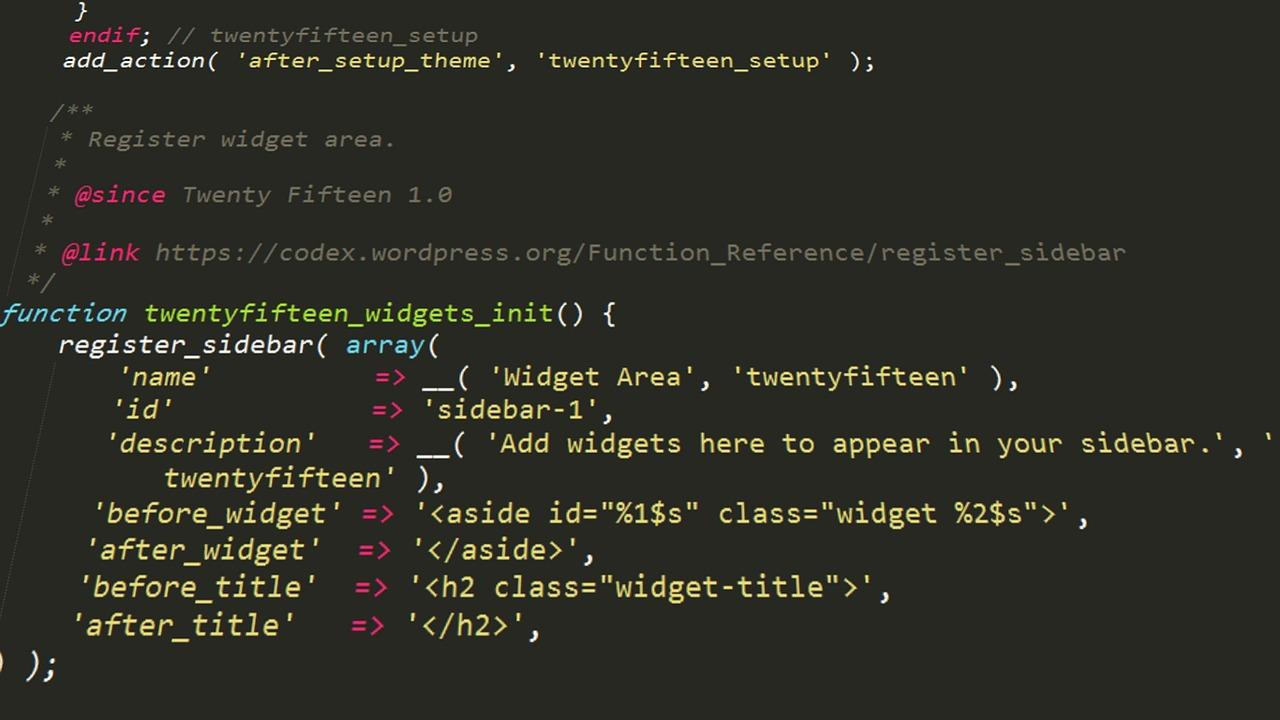
In today’s digital landscape, your nonprofit’s online presence is paramount. A website that reflects your unique mission and values can significantly enhance your outreach and engagement. Customization is not just a feature; it is a powerful tool. By harnessing the power of customization, you can create a site that resonates with your audience and inspires them to take action.
When selecting a website builder, consider platforms that offer robust customization options. Look for features that allow you to:
- Tailor your design: Choose colors, fonts, and layouts that align with your brand identity.
- Integrate multimedia: Use videos, images, and infographics that tell your story and capture visitor interest.
- Add custom functionalities: Implement donation forms, event calendars, and volunteer sign-ups tailored to your needs.
Moreover, a user-friendly interface ensures that your team can easily update and manage content without requiring extensive technical skills. Look for drag-and-drop capabilities and pre-designed templates that can be modified to fit your mission. This not only saves time but also empowers your staff to keep the website fresh and engaging.
In addition to aesthetic and functional customization, consider the importance of SEO-friendly features. A great website builder will allow you to optimize your content easily, ensuring that your nonprofit is discoverable by those who need your services. Focus on options that provide:
- Meta tags: Customize titles and descriptions to improve search engine ranking.
- Mobile optimization: Ensure that your site is responsive and looks great on all devices.
- Analytics integration: Track visitor behavior to refine your strategies and improve engagement.
remember that customization is an ongoing process. As your nonprofit evolves, your website should too. Choose a builder that allows for easy updates and scalability. The right platform will grow with you, adapting to changing needs and enhancing your mission over time.
| Criteria | Importance | Recommended Features |
|---|---|---|
| Design Flexibility | High | Drag-and-drop editor, customizable templates |
| Functionality | Medium | Donation options, event calendars |
| SEO Capabilities | High | Custom meta tags, analytics integration |

Ensuring Mobile Responsiveness for Wider Reach
In an increasingly digital world, ensuring that your nonprofit website is mobile-responsive is not just a luxury; it’s a necessity. With more than half of internet traffic coming from mobile devices, failure to optimize for these platforms can alienate a significant portion of your audience. A mobile-responsive design enables your site to automatically adjust to different screen sizes, ensuring a seamless experience for users whether they’re on a smartphone, tablet, or desktop.
When selecting a website builder, consider platforms that prioritize mobile-first design. Responsive templates should be a key feature on your checklist, as they allow you to create a visually appealing site that looks great on any device. Many builders offer pre-designed templates that are already optimized for mobile, saving you time and effort in the design process.
Furthermore, it’s essential to test your site’s mobile performance regularly. User experience on mobile devices can differ significantly from desktop experiences; therefore, conduct frequent check-ups to identify and rectify issues. Consider the following aspects:
- Loading speed: Ensure your mobile site loads quickly to reduce bounce rates.
- Navigation: Simplify menus and buttons for easy access on smaller screens.
- Readability: Use legible fonts and appropriate font sizes to improve user experience.
To illustrate the importance of mobile responsiveness, here’s a quick comparison of key statistics:
| Device Type | Average Bounce Rate | Conversion Rate |
|---|---|---|
| Mobile | 70% | 1.5% |
| Desktop | 50% | 3.5% |
As these figures show, mobile users are more likely to leave a site if it doesn’t meet their needs, which directly impacts your conversion rates. Investing in a mobile-responsive website builder thus has profound implications for your organization’s outreach and fundraising efforts.
remember that a mobile-friendly website contributes to your search engine optimization (SEO) strategy. Search engines like Google prioritize sites that offer a good mobile experience, which can help your nonprofit gain visibility. In a competitive space, ensuring that your website is accessible and user-friendly on mobile devices can set you apart and expand your reach.
Integrating Donation and Fundraising Tools Seamlessly
As you embark on the journey of building a website for your nonprofit, the integration of donation and fundraising tools is a pivotal aspect that can significantly enhance your mission. A seamless connection between your website and donation platforms not only simplifies the giving process for your supporters but also amplifies your fundraising efforts.
When evaluating website builders, look for platforms that offer built-in fundraising features. These tools are designed to create a user-friendly experience, allowing donors to contribute quickly and securely. Consider the following essential features:
- Customizable Donation Forms: Ensure that donors can choose their preferred amount, select causes, and add personal messages.
- Recurring Giving Options: Provide donors with the ability to set up monthly, quarterly, or yearly contributions, promoting sustained support.
- Social Media Integration: Facilitate easy sharing of fundraising campaigns to expand your reach and engage more supporters.
Additionally, the choice of payment processors can greatly affect your fundraising success. Opt for a website builder that supports multiple payment gateways, ensuring that donors can contribute using their preferred method. This flexibility can lead to higher conversion rates and increased donations.
Consider the following table when selecting the best donation tools based on their features:
| Tool | Key Features | Pricing |
|---|---|---|
| Tool A | Custom Forms, Recurring Donations | 2.9% + $0.30/transaction |
| Tool B | Social Media Integration, Analytics | 3.5% + $0.15/transaction |
| Tool C | Donor Management, Mobile-Friendly | 5% + $0.10/transaction |
Completing the experience, consider the importance of campaign management. The right builder will provide you with tools to create and track fundraising campaigns easily. Look for features like:
- Progress Bars: Visually display fundraising goals to encourage donations.
- Thank You Pages: Personalize follow-up messages that express gratitude and keep donors engaged.
- Reporting Tools: Analyze donor behavior and campaign success to refine future strategies.
Ultimately, a website builder that integrates donation tools seamlessly can transform how you approach fundraising. By choosing a platform that prioritizes user experience and offers robust features, you empower your nonprofit to thrive and make a meaningful impact.
Assessing Support and Resources for Nonprofit Builders
When selecting a website builder for your nonprofit organization, it’s crucial to assess the support and resources available to you. A robust support system can make all the difference in your ability to create a compelling online presence that drives engagement and donations.
Start by evaluating the customer support options provided by the platform. Look for builders that offer:
- 24/7 customer service: Access to help at any time can be vital, especially when issues arise unexpectedly.
- Live chat or phone support: Real-time assistance often leads to faster resolutions than email support.
- Comprehensive documentation: A well-organized knowledge base can guide you through setup, features, and troubleshooting.
Next, consider the educational resources that the website builder offers. These can empower you and your team to maximize the platform’s capabilities:
- Tutorials and webinars: Look for platforms that provide free training sessions to help you understand their tools.
- Community forums: A vibrant community can be a source of support and inspiration, allowing you to connect with other nonprofits.
- Blog or resource center: Valuable insights on best practices for nonprofit websites can enhance your effectiveness.
Also, evaluate the integrations offered by the builder. The ability to connect with other essential tools can streamline your operations:
- Payment processors: Ensure the builder integrates with popular donation platforms to facilitate fundraising.
- Email marketing services: Integration with services like Mailchimp can help you maintain communication with supporters.
- Social media connections: Look for easy sharing options and automated posting features to enhance your reach.
| Feature | Importance |
|---|---|
| 24/7 Support | Critical for urgent issues |
| Live Chat | Faster response times |
| Tutorials/Webinars | Enhances user capability |
| Integrations | Simplifies operations |
Lastly, don’t underestimate the power of user reviews and testimonials. They can provide invaluable insights into the experiences of other nonprofits using the platform. Look for feedback on:
- Ease of use: Is the builder intuitive and user-friendly?
- Reliability: Are there frequent outages or issues reported?
- Effectiveness: Are users seeing positive results, such as increased donations or engagement?
By thoroughly assessing the support and resources available, you can confidently choose a nonprofit website builder that not only meets your current needs but also grows with you as your mission expands.

Choosing Platforms with Strong Community and Network Support
When selecting a nonprofit website builder, the strength of the community and network support behind the platform is crucial. A robust community can greatly enhance your experience, offering opportunities for learning, sharing best practices, and accessing resources that can elevate your organization’s mission. Here are some key factors to consider:
- Active Forums and Discussion Groups: Look for platforms that host lively forums where users can ask questions, share ideas, and provide feedback. This exchange of knowledge can empower your team to tackle challenges and foster innovative solutions.
- Resource Libraries: A platform with a well-curated resource library can be invaluable. Access to templates, guides, and case studies allows you to learn from the successes of other nonprofits, helping you avoid common pitfalls.
- Third-party Integrations: Strong community support often translates into a wider range of integrations with third-party applications. This can enhance your website’s functionality, allowing you to connect with tools for fundraising, volunteer management, and CRM systems seamlessly.
Additionally, consider the availability of training and workshops. Platforms that offer regular webinars or in-person training sessions can provide your team with the skills needed to maximize the effectiveness of the website. Engaging with experts and peers in these settings fosters collaboration and builds lasting relationships.
Another aspect worth investigating is the platform’s social media presence. A strong social media community can be a treasure trove of insights and inspiration. Follow their channels to gauge the level of engagement and the type of support available to users. Are they responsive to inquiries? Do they highlight success stories from other nonprofits? These indicators can reflect the overall health and vibrancy of the community.
it’s essential to evaluate the support structure offered by the platform. Look for those that provide extensive documentation, 24/7 customer service, and dedicated support teams. A responsive support system can make all the difference when you encounter challenges, ensuring that your nonprofit’s website remains a reliable hub for your mission.
| Platform | Community Features | Support Options |
|---|---|---|
| Platform A | Active forums, resource library | 24/7 support, regular webinars |
| Platform B | Extensive social media engagement | Dedicated account managers, online tutorials |
| Platform C | Peer-to-peer networking events | Email support, comprehensive documentation |
the decision-making process for selecting a nonprofit website builder should heavily weigh the strength and vibrancy of its community and network support. By aligning yourself with a platform that prioritizes user engagement and provides ample resources, you position your organization for growth and success in the increasingly digital landscape of nonprofit work.
Looking for Robust Security Features to Protect Your Cause
In an age where online threats are ever-evolving, safeguarding your nonprofit’s online presence is paramount. When selecting a website builder, it’s crucial to prioritize security features that not only protect your data but also instill trust in your supporters. Here are some essential security measures to look for:
- SSL Certification: Ensure the platform provides SSL certificates, which encrypt data exchanged between your site and users. This is vital for protecting sensitive information, especially when handling donations.
- Regular Backups: Opt for builders that offer automatic backups. In the event of a security breach or data loss, you want to restore your site to its previous state without losing vital information.
- Security Plugins: The best website builders will allow integration with security plugins that can monitor site activity, scan for vulnerabilities, and block malicious traffic.
- Two-Factor Authentication: Look for features that support two-factor authentication for administrative accounts, adding an extra layer of protection against unauthorized access.
- Firewalls: A robust firewall can prevent unauthorized access and attacks. Choose a builder that incorporates firewall protections in their hosting environment.
When evaluating your options, do not overlook the importance of compliance with data protection regulations, such as GDPR or CCPA. Ensuring that your website builder has measures in place to protect user data and adhere to these regulations will not only keep your supporters safe but also enhance your organization’s credibility.
Consider the security support provided by the website builder. Quick access to customer support and comprehensive resources can make a significant difference when addressing security concerns. Look for platforms that offer:
| Support Feature | Description |
|---|---|
| 24/7 Customer Support | Access to support at any time to address urgent security issues. |
| Security Documentation | In-depth resources detailing security protocols and best practices. |
| Community Forums | Engagement with other users can offer insights into common security challenges. |
Ultimately, the right website builder will empower your nonprofit to focus on your mission while ensuring the safety of your digital footprint. By selecting a platform equipped with these robust security features, you can confidently engage with your supporters and continue your vital work without the looming worry of online threats.
Exploring SEO Capabilities for Greater Visibility
In today’s digital landscape, visibility is everything, especially for nonprofits vying to make an impact. Selecting a website builder that prioritizes SEO can dramatically enhance your organization’s online presence. Here are some essential SEO features to consider:
- Customizable Meta Tags: Your website builder should allow you to edit title tags and meta descriptions, enabling you to optimize each page for search engines.
- Responsive Design: Ensure that the builder you choose offers mobile-friendly templates. Mobile responsiveness is a critical ranking factor for search engines.
- Fast Loading Times: A website’s loading speed affects both user experience and search rankings. Opt for builders that prioritize speed optimization.
- SEO-Friendly URLs: Look for solutions that let you create clean, descriptive URLs that include relevant keywords.
Furthermore, consider the integration of analytics tools. The ability to track your website’s performance is invaluable. Many builders come with built-in analytics or offer easy integration with services like Google Analytics. This allows you to monitor traffic sources, user behavior, and conversion rates, informing your ongoing SEO strategy.
Another essential aspect is the inclusion of blogging capabilities. Blogging allows for regular content updates, which search engines love. Choose a platform that supports easy blog creation and management, enabling you to share stories, insights, and updates that resonate with your audience and improve your search rankings.
| Feature | Importance |
|---|---|
| Keyword Research Tools | Helps in identifying the terms your audience is searching for. |
| Link Building Options | Facilitates the creation of backlinks, boosting domain authority. |
| Schema Markup Support | Enhances search engine understanding of your content, improving visibility. |
Lastly, don’t underestimate the power of social media integration. A website builder that allows for easy sharing and engagement on social platforms can drive traffic back to your site, improving your SEO rankings. Look for features that enable social media buttons, shareable content, and seamless connections to your profiles.

Maximizing Social Media Integration for Broader Impact
In the digital era, social media is not just an auxiliary tool for nonprofits; it has become essential for maximizing reach and engagement. By effectively integrating social media into your website, you can create a seamless experience that encourages interaction and fosters community. Choosing a nonprofit website builder that prioritizes social media integration is vital for amplifying your message and broadening your impact.
When selecting a website builder, consider these key features:
- Social Sharing Buttons: Ensure that the platform allows easy integration of social sharing buttons. This feature enables visitors to share your content effortlessly, expanding your reach organically.
- Feed Integration: Look for options that allow you to display live social media feeds directly on your website. This not only showcases your latest updates but also encourages visitors to follow your social channels.
- Customizable Shareable Content: The ability to create visually appealing, shareable content is crucial. Choose a builder that offers templates specifically designed for social media sharing.
Moreover, your website should facilitate cross-promotion across various platforms. By incorporating social media into your nonprofit’s ecosystem, you can create a cohesive strategy that drives traffic to your website and enhances engagement. Consider the following tactics:
- Consistent Branding: Ensure that your website and social media profiles maintain a consistent look and feel, reinforcing your brand identity across all channels.
- Content Repurposing: Use your website content as a foundation for social media posts. This not only saves time but also encourages your followers to explore your website for more in-depth information.
- Engagement Campaigns: Design campaigns that encourage followers to engage with both your social media and your website, such as contests or challenges that require visiting your site to participate.
To visualize the impact of social media integration, consider the following table comparing the effectiveness of various strategies:
| Strategy | Expected Engagement Rate | Cost-Effectiveness |
|---|---|---|
| Social Sharing Buttons | High | Low |
| Live Feed Integration | Medium | Medium |
| Content Repurposing | Very High | Very Low |
Ultimately, the right nonprofit website builder should not only provide robust features for building your site but also empower you to harness the full potential of social media. By choosing wisely, you can create a hub that inspires action, fosters connections, and drives your mission forward in 2026 and beyond.
Testing Usability and Flexibility for Future Growth
When selecting a nonprofit website builder, it is crucial to assess its usability and flexibility to ensure it can adapt to your organization’s future needs. An intuitive interface allows your team, regardless of technical skill, to manage the site effectively. Look for platforms that offer:
- Drag-and-drop functionality for easy design adjustments.
- Mobile-responsive templates that automatically adjust to different devices.
- User-friendly dashboards that simplify content management.
Flexibility is equally important; it ensures that as your nonprofit grows, your website can evolve alongside it. A versatile builder should support various features that cater to your specific requirements, such as:
- Customizable donation forms that can be tailored to your campaigns.
- Integration with social media for seamless sharing and outreach.
- SEO optimization tools to enhance your site’s visibility on search engines.
Consider the potential for growth in your organization. A website builder that allows for easy scalability can save you time and resources in the long run. For instance, you might need to add:
| Feature | Importance |
|---|---|
| Event Management | Facilitates fundraising events and community engagement. |
| Membership Portals | Enhances member relations and loyalty. |
| Advanced Analytics | Informs strategy and improves decision-making. |
Ultimately, the right nonprofit website builder should not just meet your current needs; it should empower your organization to expand its reach and impact. Ensure that the platform you choose allows for ongoing updates and easy integration of new features, so you’re never left behind in a rapidly changing digital landscape.
Take the time to explore customer reviews and case studies of organizations similar to yours, focusing on their experiences with usability and flexibility. Investing in a platform that prioritizes these elements will provide a solid foundation for your nonprofit’s online presence, enabling it to thrive and adapt as new opportunities arise.
Making the Decision: Aligning Your Vision with the Right Builder
When embarking on the journey to create a nonprofit website, aligning your vision with the right builder is crucial for laying a strong foundation. You need a partner who not only understands your mission but can also translate it into a user-friendly and visually appealing online presence. Here are some key considerations to help you make this important decision:
- Define Your Goals: Begin by clearly identifying what you aim to achieve with your website. Is it to raise awareness, gather donations, or engage volunteers? Understanding your primary objectives will help you communicate effectively with potential builders.
- Evaluate Features: Look for builders that offer specific functionalities that resonate with your goals. Essential features might include:
- Donation processing capabilities
- Event calendars and registration tools
- Membership management options
- Blogging platforms for storytelling
Once you have a clear idea of your goals and required features, it’s time to assess potential builders. Consider the following:
- Experience with Nonprofits: Builders with a proven track record in the nonprofit sector will better understand your unique needs and challenges. They can provide insights and solutions tailored to your mission.
- Customization and Scalability: Your organization may grow, and your website should be able to evolve with it. Choose a builder that allows for easy updates and customization so that your site can reflect changes in your mission or focus.
Another important aspect is user experience. A website should be intuitive and easy to navigate. Consider:
| Criteria | Importance |
|---|---|
| Mobile Responsiveness | High |
| Loading Speed | Medium |
| Accessibility Features | High |
| User-Friendly Interface | High |
don’t underestimate the value of support and community. Look for builders that offer:
- Ongoing Customer Support: Responsive support can save you time and headaches. Ensure that the builder has a solid support system in place.
- Educational Resources: Access to tutorials, webinars, and community forums can empower your team to maximize the website’s potential.
By carefully considering these factors, you can make an informed decision that aligns your nonprofit’s vision with a website builder that will help you achieve your goals. The right partnership will not only enhance your online presence but will also inspire your audience to support your cause.
Frequently Asked Questions (FAQ)
Q&A: How to Choose a Nonprofit Website Builder in 2026
Q1: Why is it essential for nonprofits to have a strong online presence in 2026?
A: In today’s digital age, a robust online presence is not just beneficial; it’s vital. With more individuals seeking information and engaging with causes online, a well-designed website acts as a beacon for your nonprofit. It helps attract supporters, share your mission, foster community, and increase donations. In 2026, the digital landscape is more competitive than ever, making it crucial for nonprofits to stand out and effectively communicate their impact.
Q2: What features should I look for in a nonprofit website builder?
A: Look for a website builder that offers user-friendly templates specifically tailored for nonprofits, as well as tools for fundraising, event management, and volunteer recruitment. Essential features include mobile responsiveness, SEO optimization, social media integration, and the ability to manage donations easily. A good nonprofit website builder empowers you to focus on your mission while effectively engaging your audience.
Q3: How can I ensure my website builder is cost-effective?
A: Explore options that cater specifically to nonprofit organizations, often providing discounts or special pricing. Consider the total cost of ownership, including hosting, transaction fees, and any add-ons. A cost-effective solution should not compromise functionality or ease of use, allowing your nonprofit to allocate more resources to its core mission rather than website maintenance.
Q4: Can I customize my website without technical expertise?
A: Absolutely! Many website builders in 2026 prioritize accessibility, offering drag-and-drop interfaces and customizable templates that require no coding knowledge. Look for platforms that provide extensive support, tutorials, and resources to help you create a unique and impactful online presence that reflects your nonprofit’s identity.
Q5: How do I ensure my website is accessible to all users?
A: Choose a website builder that adheres to Web Content Accessibility Guidelines (WCAG). This ensures your site is usable for individuals with disabilities. Features like alt text for images, keyboard navigation, and clear color contrast are essential. By prioritizing accessibility, you not only comply with legal requirements but also create a welcoming environment for all potential supporters.
Q6: What role does SEO play in choosing a website builder?
A: SEO is critical for visibility in search engine results. A website builder that offers built-in SEO tools can help you optimize your site for search engines, which is crucial for attracting new supporters and increasing your reach. Look for features like customizable URLs, meta tags, and easy integration with analytics tools to track your performance.
Q7: How important is customer support when selecting a website builder?
A: Customer support can make or break your experience with a website builder. In 2026, look for providers that offer 24/7 support via multiple channels, including chat, email, and phone. Responsive and knowledgeable support ensures that any technical issues or questions are resolved quickly, allowing you to focus on your nonprofit’s mission rather than website hassles.
Q8: What are some reputable nonprofit website builders in 2026?
A: Several platforms are well-reviewed for nonprofit use, including Wix, Squarespace, WordPress with specific nonprofit themes, and specialized builders like Donorbox and GiveWP. Each offers unique features, so compare them based on your specific needs and budget to find the best fit for your organization’s goals.
Q9: How can I measure the success of my nonprofit website?
A: Success can be measured through various metrics such as website traffic, user engagement, conversion rates (like donations or newsletter sign-ups), and social media shares. Utilize analytics tools provided by your website builder to track these key performance indicators, allowing you to refine your strategy and enhance your outreach efforts.
Q10: What final advice do you have for nonprofits looking to create their website?
A: Embrace the journey of building your online presence with passion and purpose. Choose a website builder that aligns with your values and meets your specific needs. Remember, your website is a reflection of your mission; invest the time and effort to make it a true extension of your nonprofit’s heart. With the right tools and an inspiring vision, you can create an impactful online platform that resonates with supporters and amplifies your cause!
Key Takeaways
As we move into 2026, the digital landscape continues to evolve, offering nonprofit organizations unprecedented opportunities to connect with supporters, share their missions, and drive meaningful change. Choosing the right website builder is a critical step in this journey, enabling you to create a powerful online presence that reflects your values and engages your audience effectively.
Remember, the ideal platform should not only align with your technical needs but also empower you to tell your story authentically and inspire action. As you embark on this transformative process, keep your mission at the forefront. Seek out tools that enhance your communication, foster community, and streamline your efforts toward making a difference.
Now is the time to invest in a website that will serve as a beacon for your cause—one that resonates with your community and amplifies your impact. Embrace the possibilities that lie ahead, and let your nonprofit’s voice shine brightly in the digital world. The right website builder is not just a tool; it’s a catalyst for change. Choose wisely, and watch as your vision unfolds into a vibrant reality. Together, we can create a better world, one click at a time.

New Providers

Enjoy The Speed Of Downloading & Uploading With 1GBPS Port

Affordable Dedicated Servers & Colocation Services. Services: Dedicated Servers Colocation Private Cabinet Colocation DDoS Protection
Up to 85% off hosting + website builder

We specialize in providing Web hosting reviews. Where you can search for potential hosts.